
Last updated October 16, 2026
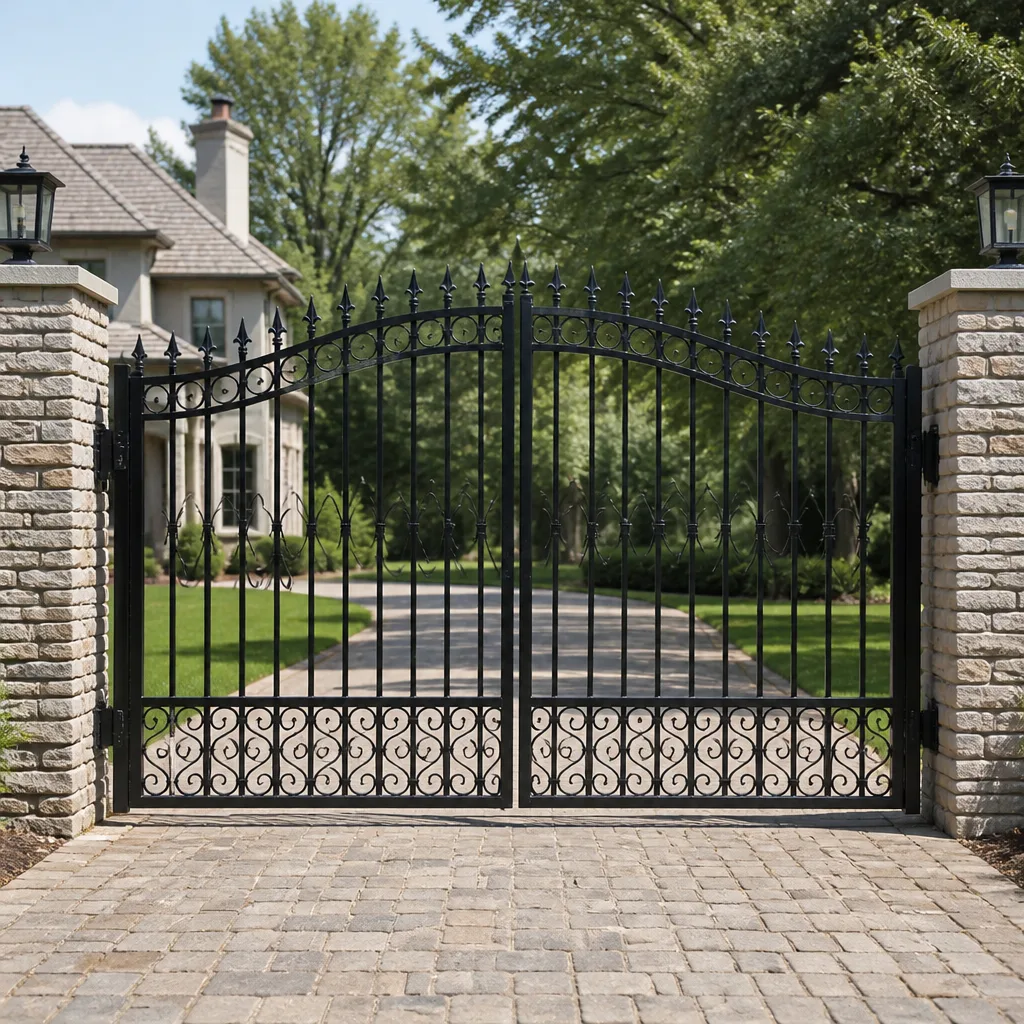 Wrought iron
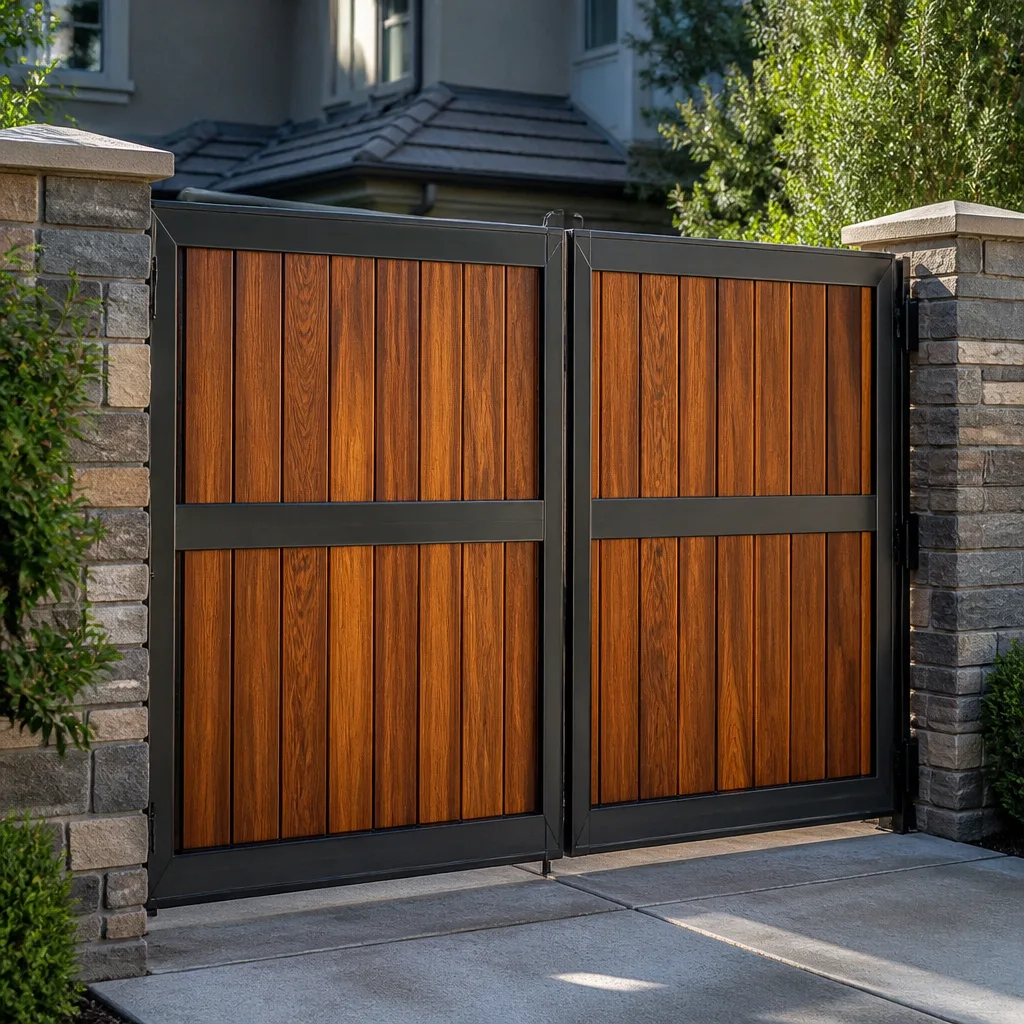 Wood & steel frame
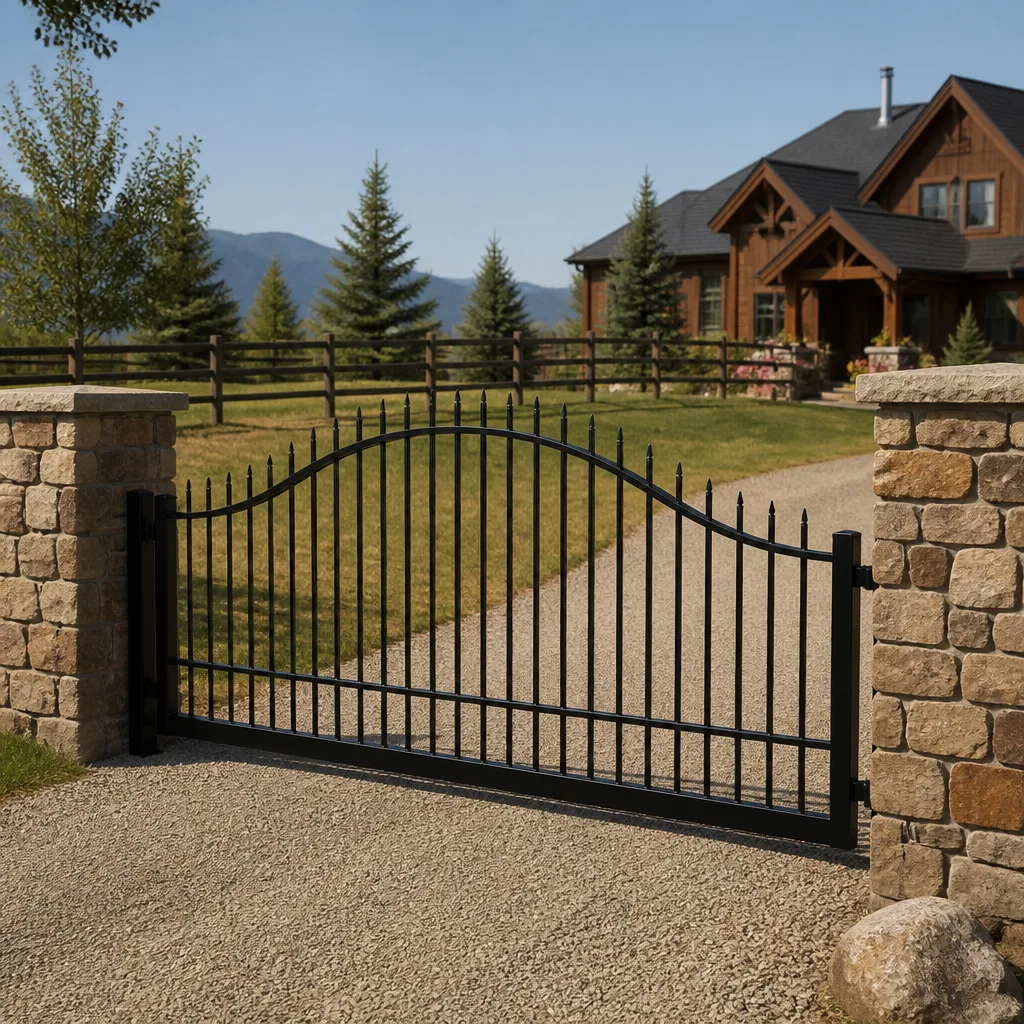 Farm & ranch
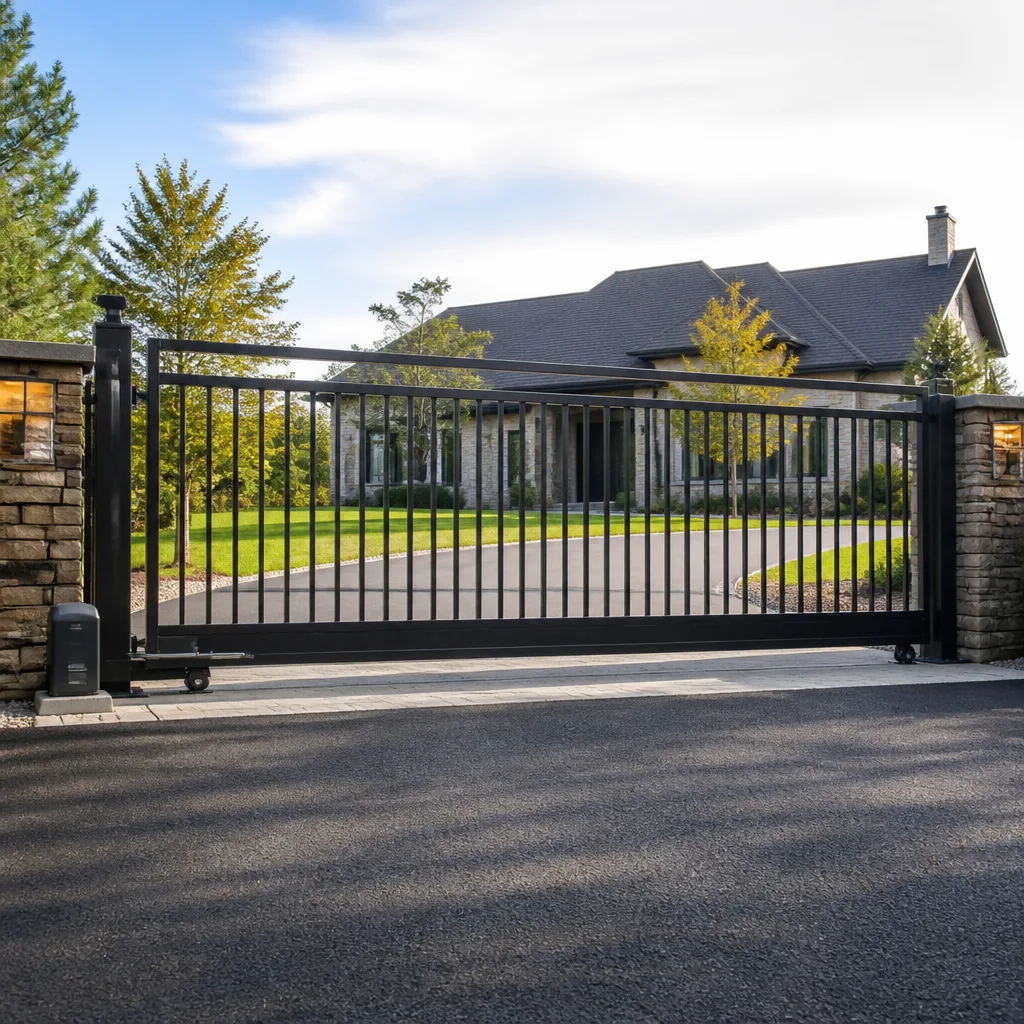 Sliding driveway gates
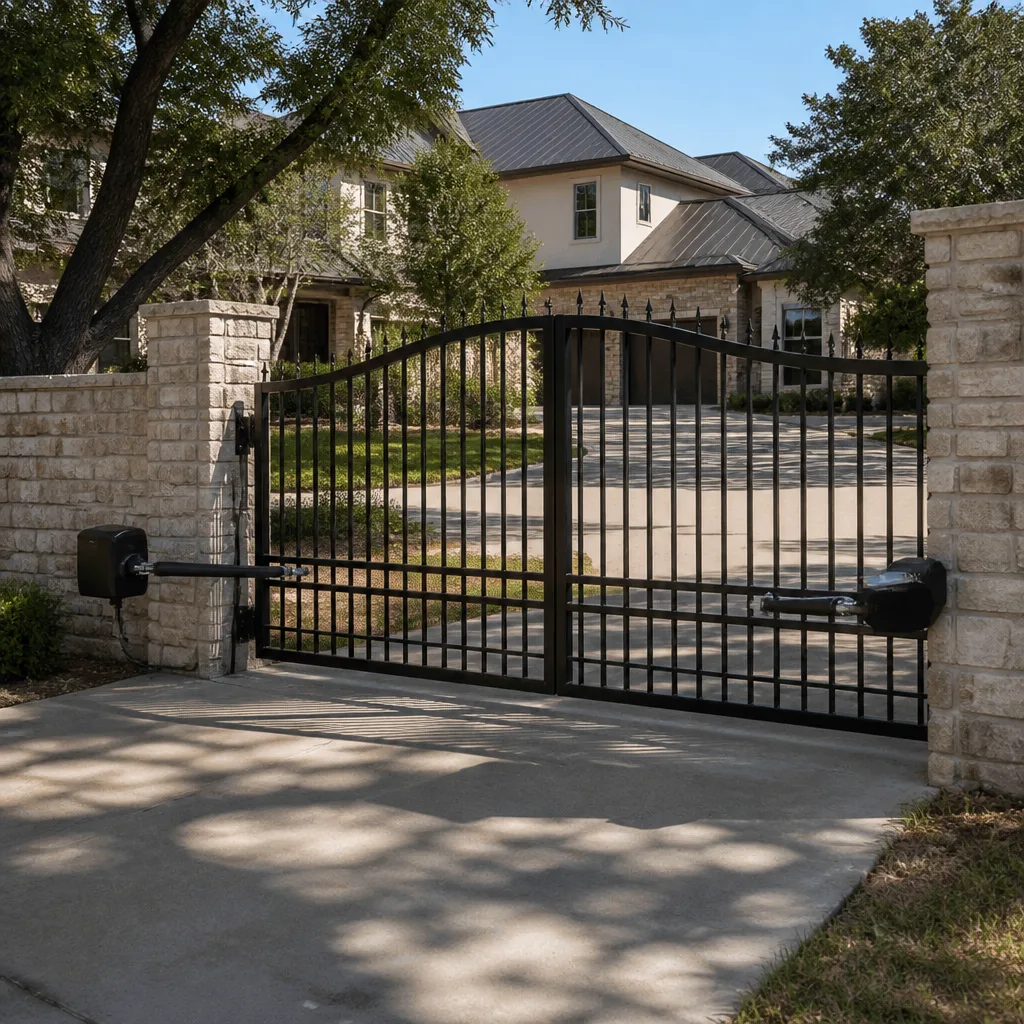 LiftMaster operators
Free on-site gate assessment - hinges, posts, and your LiftMaster or Nice gate operator checked before anything is quoted
The assessment is free and the quote is the invoice.
Get your free estimateSeasonal Gate Repair Care for Fort Lauderdale: Year-Round Homeowner’s Guide
Here’s something most Fort Lauderdale homeowners don’t realize until it’s too late: your automatic gate is far more likely to fail in late November and December than it is during the peak of hurricane season. We’ve watched it happen year after year since 2008. Storms hammer gates with wind, salt spray, and flying debris in September and October, but the damage often stays hidden until daily cycling resumes and the accumulated stress finally surfaces as a breakdown. This guide walks through what actually happens to gates across Fort Lauderdale’s four real seasons: hurricane prep, storm recovery, dry-season oxidation, and rainy-season electrical stress. You’ll learn what to check, when to check it, what it costs to fix common problems, and when to call someone who carries a torque wrench for a living. For a deeper dive, see The Complete Guide to Gate Repair in Fort Lauderdale.
Styles & brands we work with
Quick Answer
Seasonal gate care in Fort Lauderdale means two targeted service visits per year: one in April or May to harden the gate against hurricane season, and one in October or November to strip away storm residue and catch fatigue damage before it turns into a breakdown. Between those visits, homeowners should inspect hinge bolts, track cleanliness, and operator housing seals monthly during the rainy season, and touch up any exposed metal before the dry season lets rust reach the base steel.
Table of Contents
- Why Fort Lauderdale’s “Seasons” Are Different for Gates
- Pre-Hurricane Season Prep (April – May): Structural Hardening
- Storm Aftermath Inspection (June – November): Sand, Debris, and Lockout
- Dry Season Care (December – March): Oxidation and Finish Protection
- Rainy Season Electrical Stress (June – September): Boards, Surge Protection, and Grounding
- The Fort Lauderdale Service Interval: Two Visits, Not One
- What Seasonal Gate Repairs Cost in Fort Lauderdale
- Common Mistakes to Avoid
- When to Call a Professional
- Frequently Asked Questions
- The Bottom Line
Why Fort Lauderdale’s “Seasons” Are Different for Gates
Most gate maintenance advice online was written for places with actual winter. That advice tells you to lubricate hinges before the first freeze and check for ice damage in spring. Fort Lauderdale doesn’t have freeze cycles. What it has is a six-month stretch of daily thunderstorms, a salt-laden Atlantic breeze that never stops, and a hurricane season that peaks when the air is already saturated with moisture. Each of those conditions attacks a gate differently.
Salt air corrodes. Sand infiltrates. Lightning and power fluctuations destroy control boards. UV radiation in the dry months bakes finishes until they crack and let moisture reach bare steel. A gate that survives all of that without intervention is rare. The ones that last decades are the ones whose owners follow a seasonal rhythm matched to South Florida’s actual climate, not a generic “inspect annually” checklist.
We service nine major gate-operator brands across Fort Lauderdale: LiftMaster, FAAC, BFT, Linear, Viking, Ghost Controls, DoorKing, Elite, and Mighty Mule. What we’ve learned over 17 years is that the brand matters less than the maintenance calendar. A $600 Mighty Mule opener that gets inspected before storm season will outlast a $3,000 FAAC system that no one touches for three years. The schedule, not the hardware, is what keeps a gate working.
Pre-Hurricane Season Prep (April – May): Structural Hardening
The 40 days between mid-April and late May are the most important window for gate maintenance in Fort Lauderdale. This is when you harden the gate against what’s coming. And what’s coming is wind. Sustained tropical-storm-force wind doesn’t just push against the gate panel; it cycles the gate back and forth against its hinges tens of thousands of times in a single storm. Every loose bolt becomes a lever. Every corroded bracket becomes a failure point.
Here’s the pre-season checklist we run on every Fort Lauderdale gate we touch:
- Hinge bolt torque check. Loose hinge bolts allow the gate to sag, which puts the operator under strain it wasn’t designed to handle. On a standard 12-foot residential swing gate, we want those bolts torqued to spec and showing no sign of thread wear. A sagging gate can add 40 percent more load to the operator, which shortens its life dramatically.
- Post-base corrosion inspection. The bottom 6 inches of a gate post is where salt air and irrigation overspray collect. In Fort Lauderdale, we regularly see posts that look fine at eye level but have lost a quarter of their wall thickness at ground level. You check this with a small pick or screwdriver, tapping along the base and looking for flakes and soft spots.
- Operator mounting bracket integrity. The bracket that holds the actuator, which is the motorized arm that physically swings the gate open, takes a constant beating from wind load. If those bracket welds or bolts have loosened, the actuator will pull itself loose mid-storm. We check every bolt and the bracket plate itself for hairline cracks.
- Track and roller clearance on slide gates. Fort Lauderdale soil shifts constantly. Even a quarter-inch of post settlement can bind a sliding gate and overload the operator. Before hurricane season, we clean the track, check roller wear, and confirm the gate moves freely across its full travel with the operator disengaged.
- Debris deflection review. Look at what’s within 10 feet of your gate. Loose yard furniture, potted plants, coconuts, and tree limbs become projectiles in 70 mph wind. Every year we see gates that survived the wind itself but were destroyed by a neighbor’s patio chair slamming into the panel at speed.
This is the point in the year when a written inspection catches problems while they’re still cheap. A hinge bolt replaced in May costs under $30. A gate re-hung after it pulls free from the post in September costs $400 to $1,200 depending on the damage. For gate repair in Fort Lauderdale, the difference between those two outcomes is usually timing.
Storm Aftermath Inspection (June – November): Sand, Debris, and Lockout
Here’s the counterintuitive part: the damage you can see after a storm is rarely what kills a gate. It’s the sand, salt film, and fine debris that works its way into rollers, tracks, and operator housings and then grinds away at moving parts for weeks afterward. After every significant storm in Fort Lauderdale, we get calls from homeowners whose gates were “working fine” right after the weather passed, then seized up two weeks later.
That’s why the storm-aftermath inspection is the second pillar of seasonal gate care. Here’s how to do it safely:
- Lock the gate out of auto-mode first. This is the non-negotiable first step. Put the operator in manual release so it cannot activate while you’re inspecting. A gate that suddenly cycles during inspection can crush a hand against a post or pin someone against a wall. If you don’t know where the manual release is, leave the gate alone and call us.
- Check rollers and tracks for sand infiltration. Run your finger along the inside of the track. Fort Lauderdale beach sand is fine enough to get past most track covers. If you feel grit, the wheels are grinding against it every time the gate cycles. A blast with a garden hose at low pressure, followed by a dry wipe, usually clears it. Don’t lubricate a dirty track, because lubricant turns sand into grinding paste.
- Inspect the operator housing’s seals. Wind-driven rain works its way past old gaskets. Open the operator cover and look for water lines, corrosion on terminals, or a fine layer of salt haze on the control board. Salt haze is conductive when damp, which means it can cause the board to behave erratically.
- Check for panel stress cracks near welds. Storm vibration fatigues welded joints. Look for hairline cracks radiating from any weld, especially where pickets meet the top and bottom rails on ornamental iron gates. A crack that’s caught early can be welded for under $150. If it propagates, you’re replacing a panel section.
- Exercise the gate through two full cycles and listen. Changes in pitch, new grinding sounds, or hesitation mid-travel all indicate that something shifted during the storm. That something is often a bracket that moved a fraction of an inch, which is enough to misalign the operator and cause premature wear.
If the gate was submerged, even briefly, treat it as an electrical repair, not a mechanical one. Saltwater intrusion into the operator or control board is a electric gate repair in Fort Lauderdale job, not a maintenance task. Water and circuit boards don’t mix, and a board that got wet can fail days later even if it works right now.
Dry Season Care (December – March): Oxidation and Finish Protection
The period from December through March is Fort Lauderdale’s dry season, and that’s when the humidity drops low enough to speed up a specific kind of damage: finish degradation on ornamental iron gates. Here’s the chemistry in plain English. During the rainy season, gate finishes stay damp for months, which causes slow, general surface rust. During the dry season, the UV index stays high while the air dries out, which makes paint and powder coat shrink and crack, exposing bare steel underneath.
Once bare steel is exposed, the dry season lets oxidation work deeper into the metal. By the time the spring rains return, that embedded rust has started to pit the steel. The repair window for this kind of damage is December through February, when the steel is dry and a touch-up can cure properly. Miss that window, and you’re sandblasting and repainting a gate that could have been saved with a $40 quart of rust-inhibiting paint.
The dry-season touch-up routine is simple:
- Inspect every weld and joint for rust blooms. Weld areas are the first to fail because heat during welding changes the metal’s grain structure, making those zones more reactive. We see rust at welds on 70 percent of Fort Lauderdale ornamental gates older than five years.
- Sand rust spots to bright steel. Use 80-grit sandpaper or a wire brush. You don’t need to sand the whole gate, just the rusted zone plus a half-inch margin around it.
- Apply a rust converter or inhibitor. Products like Rust-Oleum Rust Reformer or Loctite Extend neutralize the remaining rust and create a paintable surface.
- Seal with a matched finish coat. If your gate is powder coated, a close-match spray enamel will bridge you for two to three years until a full refinish is warranted.
This is also the right season for gate installation in Fort Lauderdale projects, because concrete footings cure more predictably in dry conditions. If you’ve been considering installing a new gate or replacing an old one, December through March is when the work goes most smoothly.
Rainy Season Electrical Stress (June – September): Boards, Surge Protection, and Grounding
Fort Lauderdale averages about 80 thunderstorm days per year, and the majority land between June and September. Every one of those storms is an attack on your gate operator’s control board. The board is a small computer, and small computers don’t handle power fluctuations well. A surge doesn’t even need to be a direct lightning strike. It can be a transformer down the block taking a hit, or the utility switching loads, or induced current on the low-voltage wire run between your house and the gate.
Here’s what we see in Fort Lauderdale every single rainy season: operator control boards that fail for “no reason” in July and August. Most of those failures trace back to power spikes that occurred days or weeks earlier and degraded a component quietly until it gave out. The fix that prevents this is a quality surge protector on the operator’s dedicated circuit, installed at the point where the operator draws power. The good ones cost around $80 installed, and they sacrifice themselves to save the board. That’s a number worth remembering, because a replacement control board for a LiftMaster or FAAC operator runs $150 to $600 before labor.
Three things Fort Lauderdale homeowners should do every rainy season:
- Confirm the operator’s ground connection is intact and corrosion-free. The ground wire at the operator terminal, the ground stake near the operator, and the connection at the panel. Loose or corroded grounds are the leading cause of phantom gate behavior after storms.
- Add a surge protector to the operator’s power supply. Not a power strip from the hardware store. A hardwired, panel-mounted surge protector like an Intermatic AG3000, which clamps line voltage spikes before they reach the board.
- Keep the low-voltage wire path clear. Landscape crews with edgers and string trimmers nick the low-voltage wire insulation all the time in Fort Lauderdale. Bare copper under wet mulch is a recipe for intermittent shorts that look like board failures.
One more note: Elite and Mighty Mule operators are especially sensitive to grounding problems because their control boards use chassis-ground as a reference for the safety inputs. If you have one of those brands and your gate starts acting erratically in August, check the ground before you replace the board.
The Fort Lauderdale Service Interval: Two Visits, Not One
The generic gate industry advice is “have your gate inspected annually.” That advice comes from markets with four distinct seasons and a predictable maintenance calendar. Fort Lauderdale doesn’t work that way. Our climate combines two high-stress periods: the hurricane prep window, when structural issues need to be caught and corrected, and the storm recovery window, when storm damage needs to be assessed and mitigated. One visit a year means you’ll inevitably miss one of those windows.
The schedule we recommend for every Fort Lauderdale gate owner:
- Visit one: April or May. Full structural inspection, hinge and bracket torque check, track and roller cleaning, operator performance test, and any pre-season repairs. This visit sets the gate up to survive the worst the Atlantic throws at it.
- Visit two: October or November. Post-season inspection focused on storm damage, salt residue, sand infiltration, water intrusion, and fatigue cracks. This visit catches the hidden damage before it causes a December breakdown.
The total cost for both visits on a typical residential single swing gate in Fort Lauderdale runs $180 to $350, depending on what needs adjusting and cleaning. That’s the best money a gate owner can spend, because it moves repair work from the “emergency” category, which costs more because it’s urgent, to the “scheduled” category, which costs less because it’s planned. We’ve seen this math work out enough times to be confident in it. If you’re weighing whether to tackle issues yourself or hire out, our DIY vs Professional Gate Repair: The Fort Lauderdale Homeowner’s Decision Guide can help.
What Seasonal Gate Repairs Cost in Fort Lauderdale
It’s easier to plan when you know the numbers. Here are the repair costs we quote most often for seasonal work on residential gates in Fort Lauderdale. These are parts and labor ranges for typical single swing gates between 10 and 16 feet.
| Repair | Typical Cost Range | Notes |
|---|---|---|
| Hinge bolt replacement and torque (per hinge) | $45 – $95 | Includes thread inspection; heavier gates cost more. |
| Track and roller cleaning (slide gate) | $90 – $165 | Typical visit two service in November. |
| Control board replacement | $180 – $650 | Varies by brand; LiftMaster and FAAC boards run higher. |
| Surge protector installation | $75 – $130 | Installed at operator circuit; protects the board. |
| Weld repair, small crack | $120 – $220 | Per location; caught before propagation. |
| Actuator replacement (swing gate) | $350 – $800 | Parts and labor; brand dependent. |
| Post-base corrosion repair | $180 – $400 | Per post; includes grinding, treatment, and refinish. |
| Full seasonal inspection (single swing gate) | $95 – $180 | Our recommendation: twice yearly. |
Every one of those jobs carries a written price before work starts. That’s the Kingswell Way at work: you’ll know the cost before a single bolt is turned, and the repair carries a written guarantee. If a repair fails inside the 365-day guarantee period under our 365-Day Done Right Promise, we come back and correct it at no charge. Written price, real arrival window, clean job site, written guarantee, and a free return visit if the fix doesn’t hold. That’s the standard on every job from the Portcullis Gate Repair Fort Lauderdale home team, and it has been since 2008.
Common Mistakes to Avoid
- Lubricating a dirty track. Oil on top of sand creates grinding paste that wears rollers faster than dry grit would. Clean first, then lubricate lightly if the manufacturer calls for it.
- Ignoring a gate that still opens after a storm. The damage we described in the storm-aftermath section compounds over weeks. A gate that’s “working fine” in October can be dead by December.
- Using WD-40 on gate hardware. WD-40 is a penetrating cleaner, not a lubricant for bearing surfaces. Fort Lauderdale’s salt air will strip it in days. Use a heavy-duty lithium or marine grease on hinge pins.
- Skipping the pre-season torque check. Hinge bolts that are slightly loose in April will be badly loose after one storm season. Small corrections now prevent large corrections later.
- Routing the operator through the same circuit as pool equipment. Pool pumps and salt systems draw heavy loads and generate line noise. Your gate operator should have a dedicated circuit or at minimum a dedicated surge protector.
- Painting over rust without treating it first. Hidden rust continues to spread under a fresh coat of paint. The dry-season touch-up process described above only works if the rust is addressed, not covered.
- DIY board replacement without checking the ground. Swapping a control board when the real problem is a corroded ground connection wastes $200 and doesn’t fix the underlying issue.
When to Call a Professional
Seasonal gate maintenance covers a lot, but there are situations where the right move is a phone call rather than a wrench. If your gate has sustained a direct storm impact, if the operator was submerged, if you see cracks radiating from welds, if the gate is binding mid-travel, or if you notice any exposed or damaged wiring, that’s professional territory. Gates carry serious weight, and the actuator under load can release that energy suddenly. The springs, cables, and pinch points on a gate system can cause severe injury when someone without the right training works on them. A trained technician knows how to relieve tension safely. Portcullis Gate Repair Fort Lauderdale offers free estimates in Fort Lauderdale. Call (754) 354-7351 and a real person will answer, day or night.
Frequently Asked Questions
Twice a year: once in April or May for pre-hurricane hardening, and once in October or November for post-storm assessment. Fort Lauderdale’s climate creates two distinct stress periods, and a single annual visit will always miss one of them. Call (754) 354-7351 to schedule either visit.
A single seasonal inspection on a typical residential swing gate runs $95 to $180, and most full seasonal service visits, including cleaning and minor adjustments, land between $180 and $350. The price is always provided in writing before any work begins.
Storm damage accumulates quietly: sand infiltrates rollers, salt film coats electrical terminals, and vibration fatigues welds and brackets. The gate keeps working until the accumulated stress reaches a breaking point, which often happens weeks after the weather clears. That’s why the November inspection matters.
Yes. A hardwired surge protector installed on the operator circuit clamps voltage spikes before they reach the control board. Boards fail gradually from repeated small surges, not just from direct strikes. An $80 protector can save you a $600 board replacement.
Cleaning tracks, touching up rust spots, and checking hinge bolt tightness are reasonable homeowner tasks. But any work involving the operator, the actuator, tensioned springs, or electrical wiring should be left to a trained professional. These components carry stored energy that can cause serious injury when handled improperly.
We service LiftMaster, FAAC, BFT, Linear, Viking, Ghost Controls, DoorKing, Elite, and Mighty Mule. Our technicians arrive knowing the specific operator on your property because they’ve worked on all nine brands across Fort Lauderdale since 2008. Call (754) 354-7351 for a free estimate on seasonal service.
The Bottom Line
Fort Lauderdale doesn’t do four seasons. It does hurricane prep, storm recovery, dry-season oxidation, and rainy-season electrical stress, and each one attacks your gate in a different way. The gate that survives decades isn’t the one with the most expensive hardware. It’s the one whose owner schedules two targeted service visits a year, keeps the track clean, checks hinge torque before storm season, treats rust during the dry months, and protects the control board from South Florida’s relentless lightning. That calendar costs less than a single emergency repair call. Portcullis Gate Repair Fort Lauderdale has served this city since 2008, and every job carries a written price and the 365-Day Done Right Promise. For more guides & resources, visit our blog. When you’re ready to put your gate on a seasonal schedule, call (754) 354-7351 for a free estimate.
Written by Dean Prescott, Owner at Portcullis Gate Repair Fort Lauderdale, serving Fort Lauderdale since 2008.
See the difference
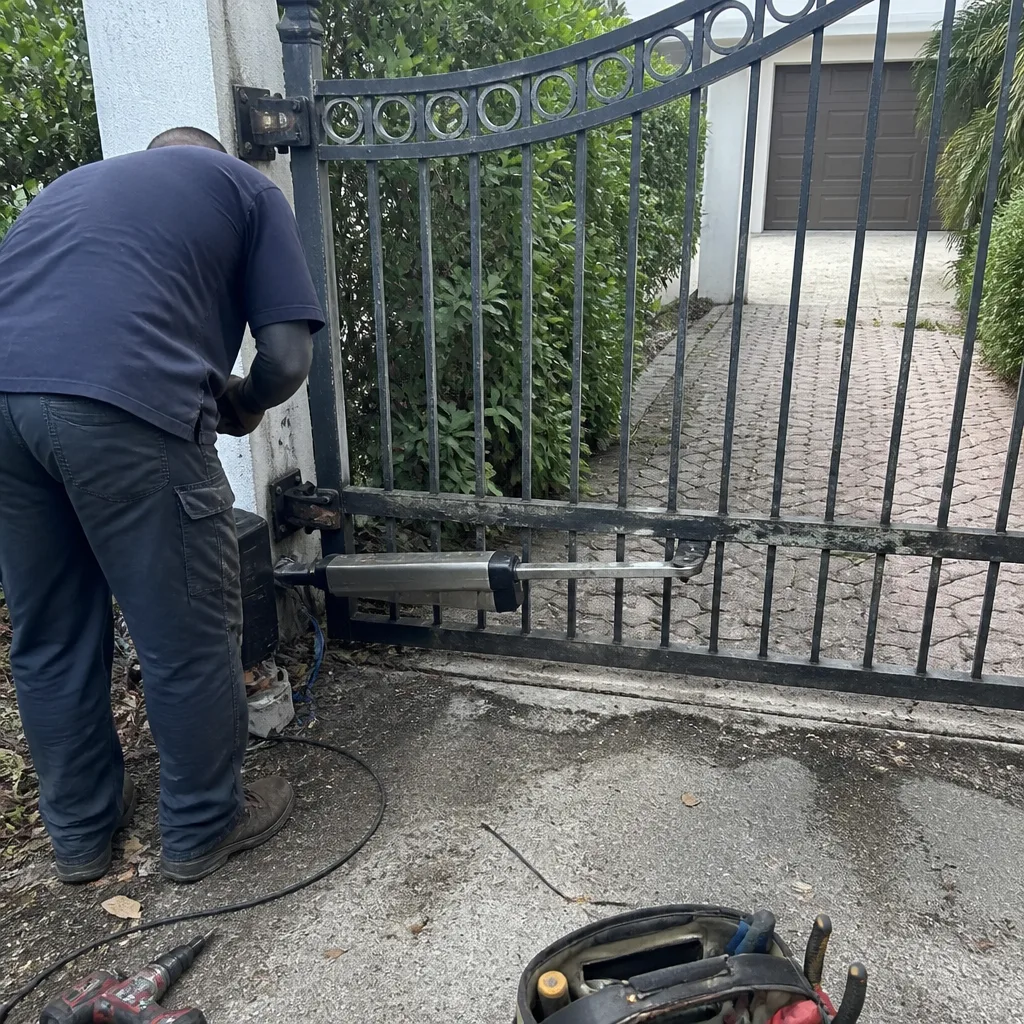 Before
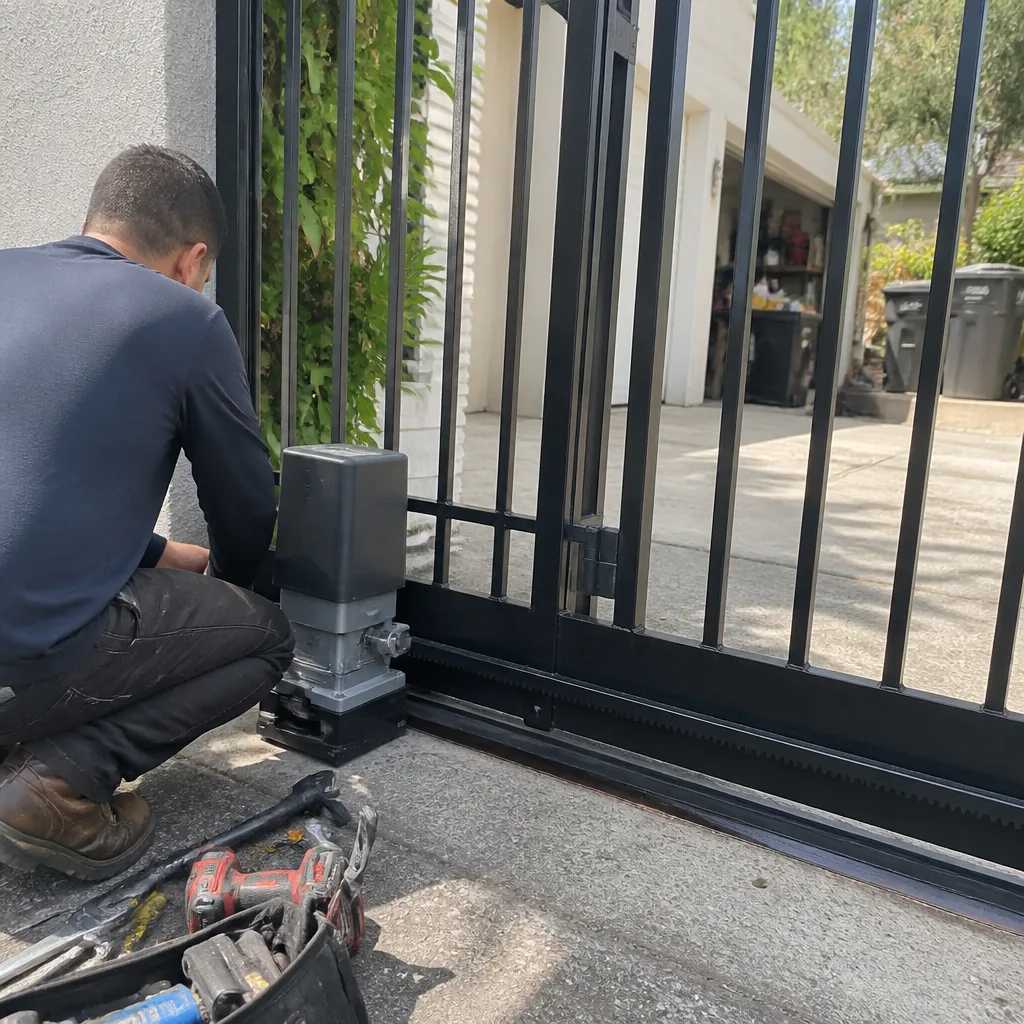 After
After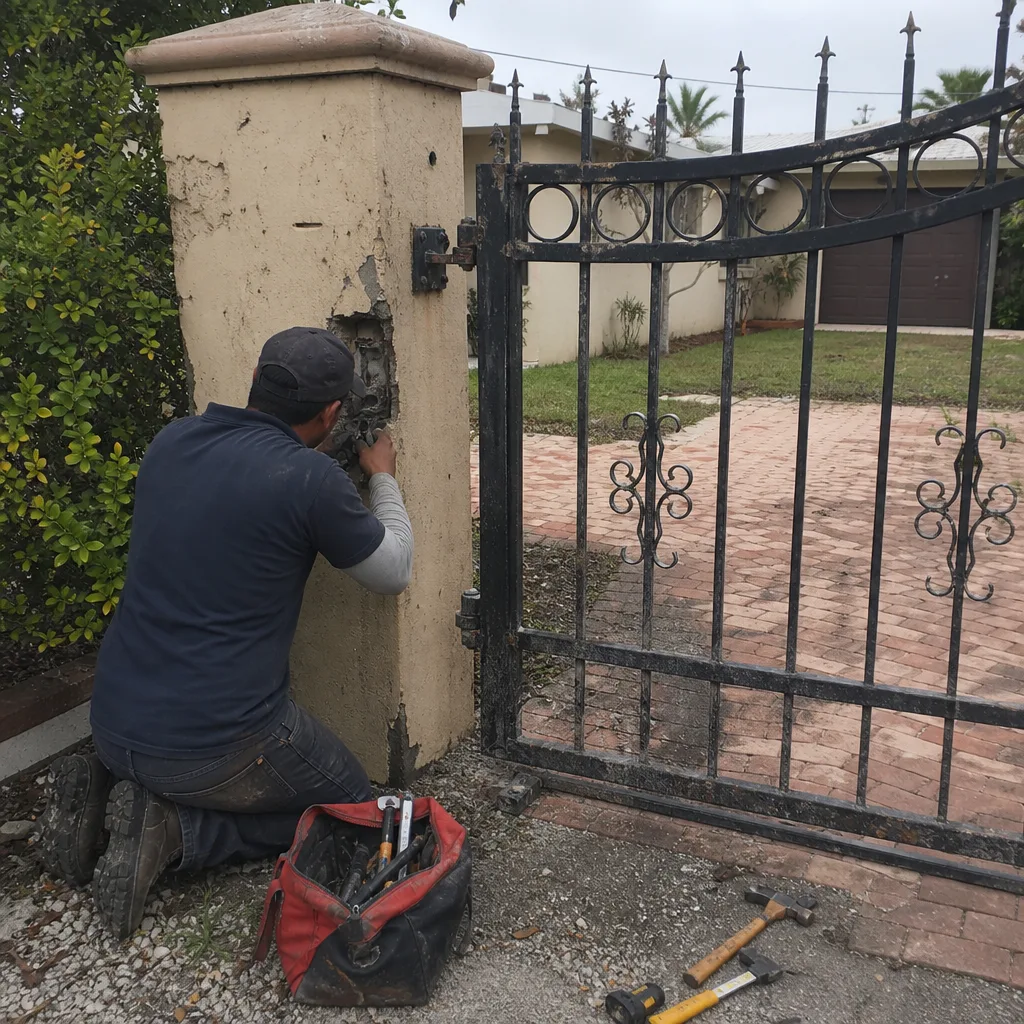 Before
 After
After Before
 After
After