
Last updated October 16, 2026
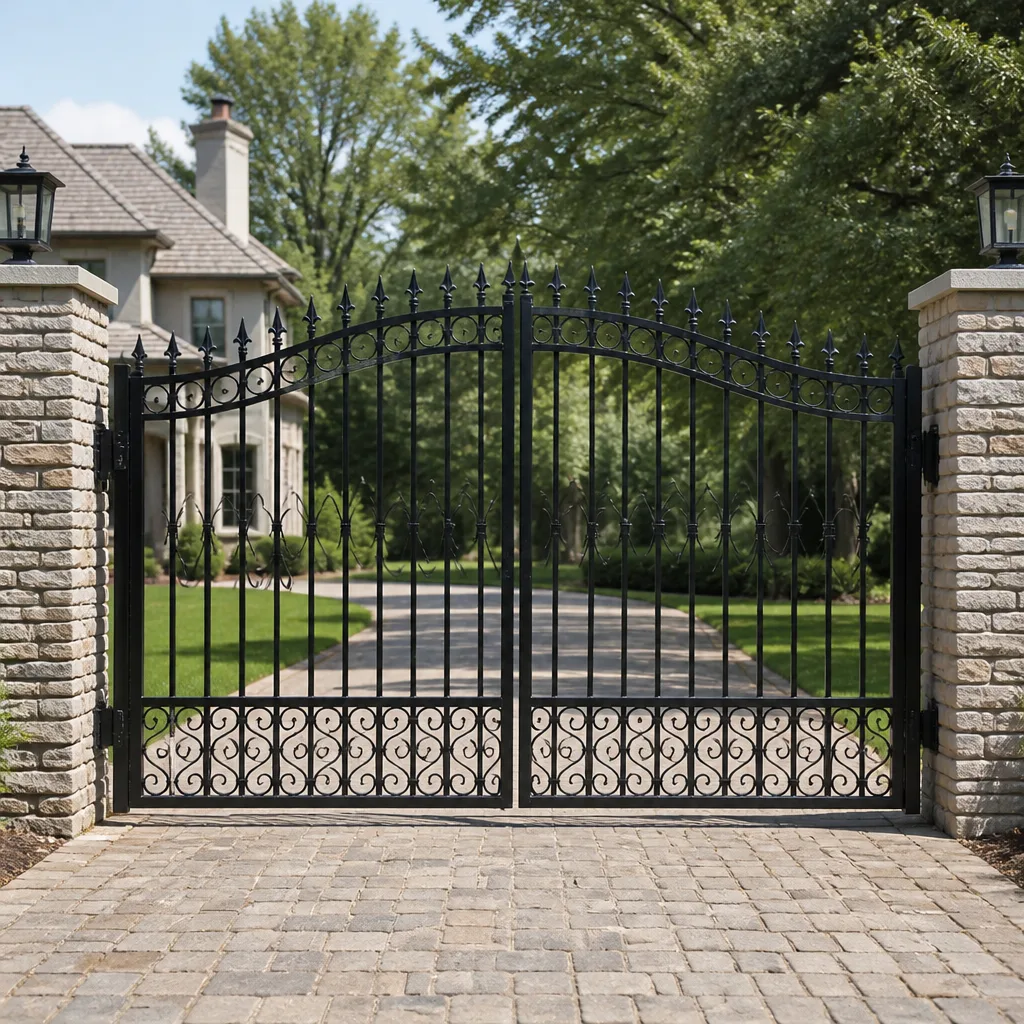 Wrought iron
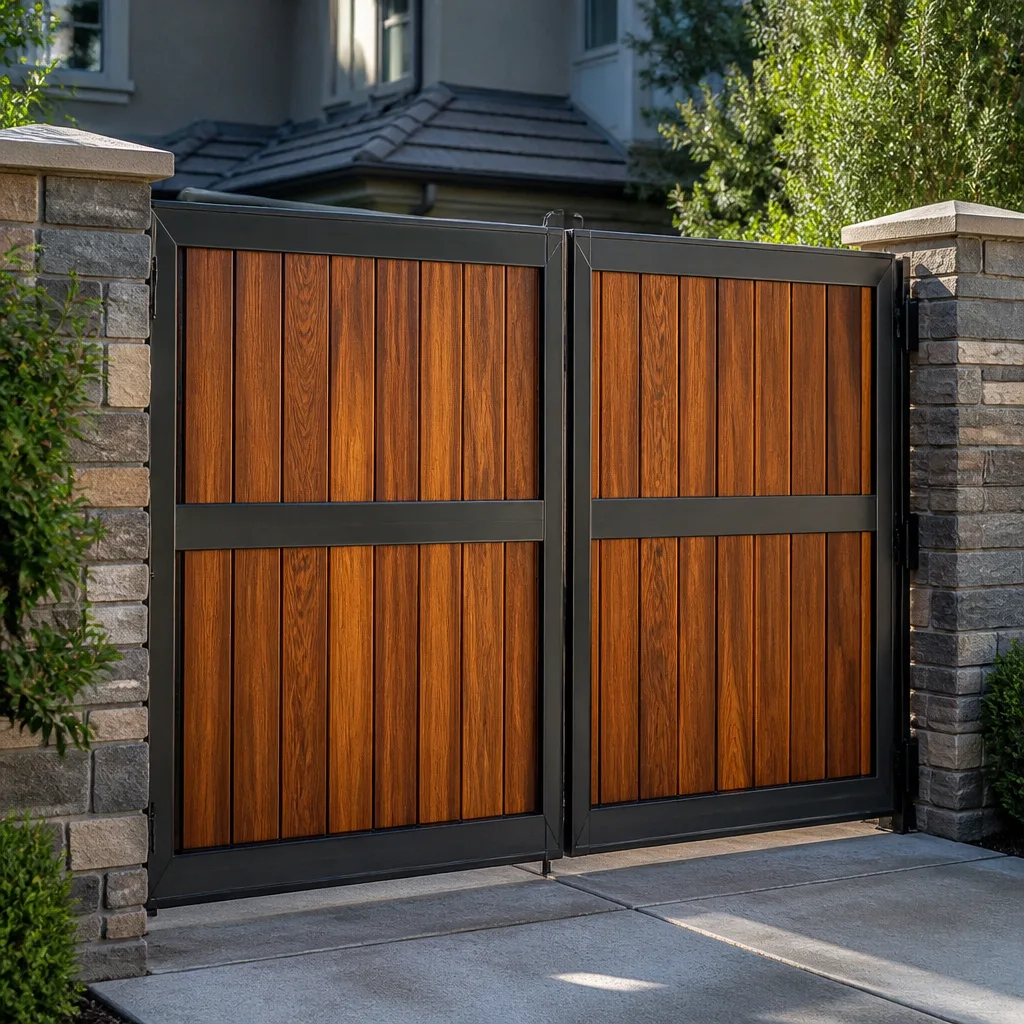 Wood & steel frame
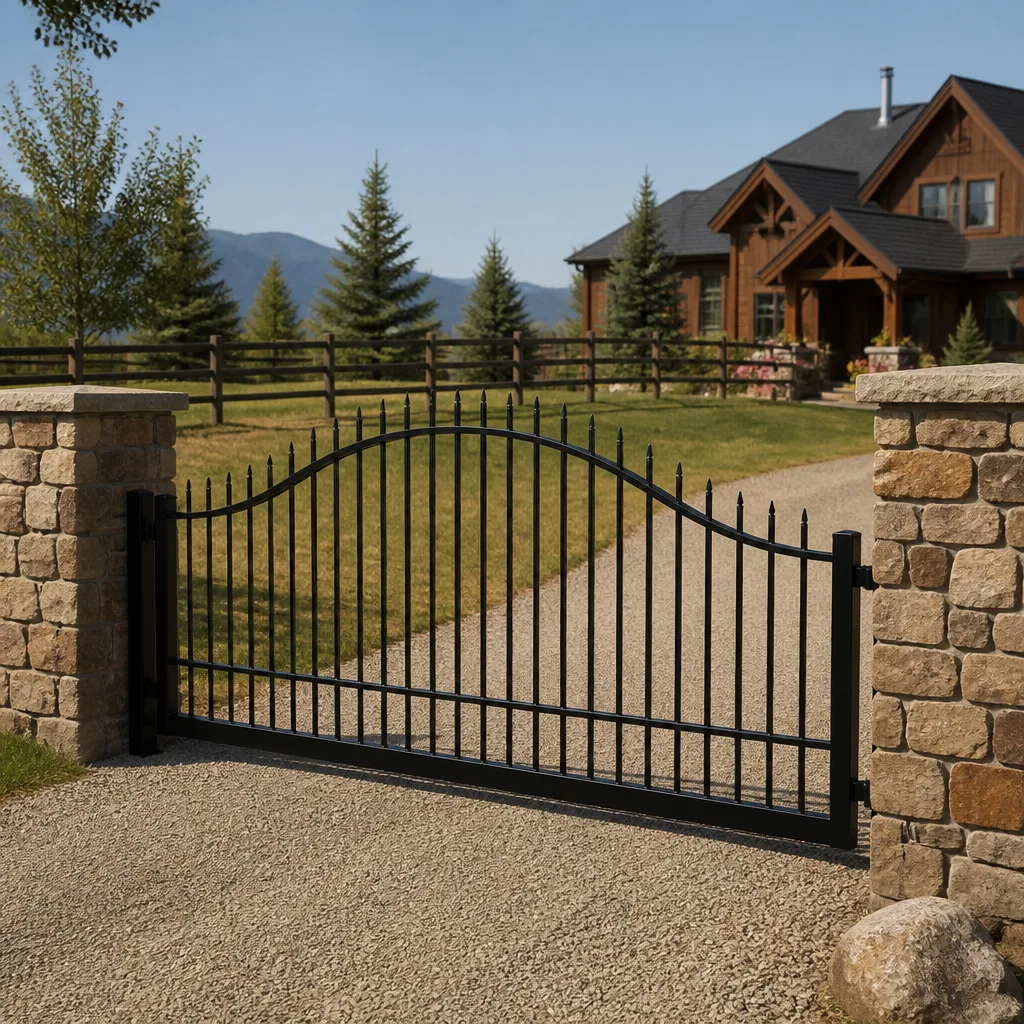 Farm & ranch
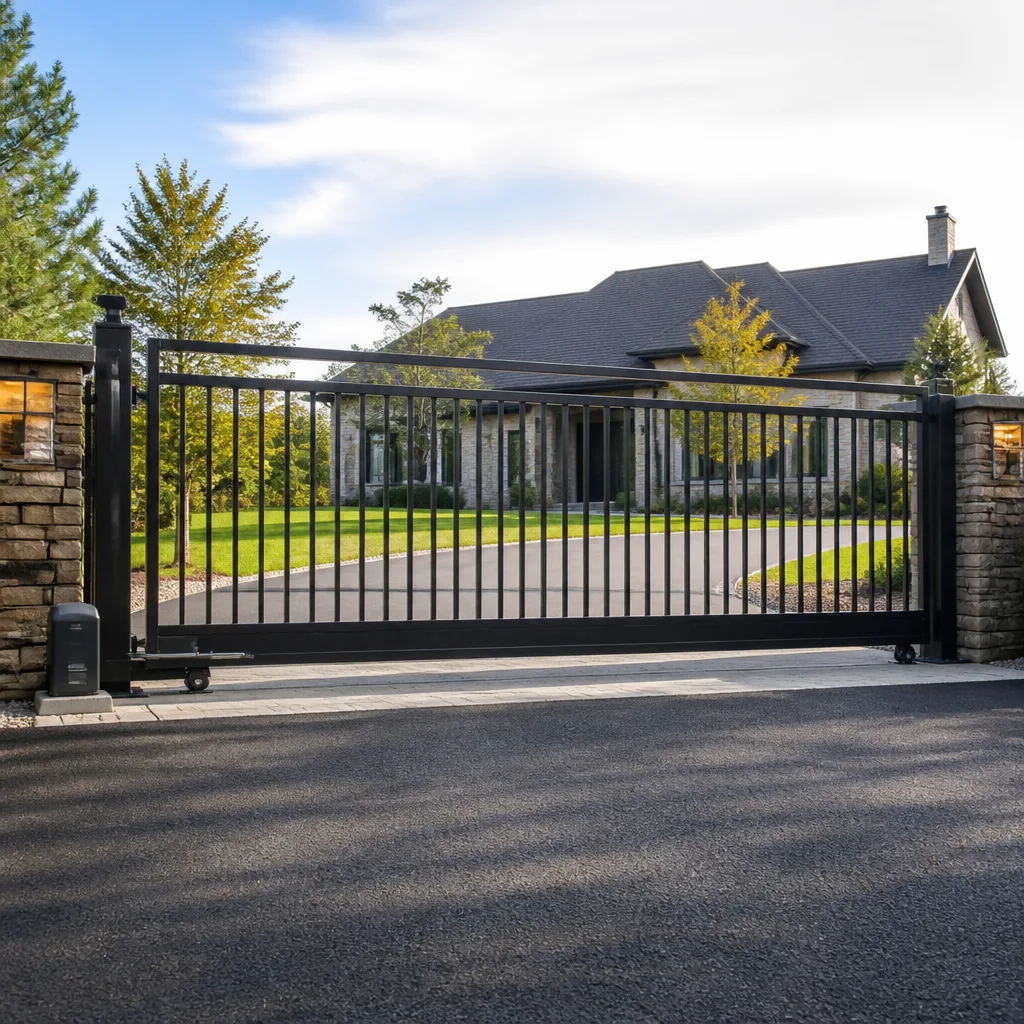 Sliding driveway gates
 LiftMaster operators
Free on-site gate assessment - hinges, posts, and your LiftMaster or Nice gate operator checked before anything is quoted
The assessment is free and the quote is the invoice.
Get your free estimateGate Repair Permits, Codes & Inspections in FL: What You Need to Know
A Fort Lauderdale homeowner lost a home sale in 2025 because a gate operator replacement, done without a permit three years earlier, showed up in a title search. The contractor had called it a “repair.” Under Broward County’s building code, swapping an operator for a different model is a replacement that triggers permitting, not a like-for-like repair. This guide walks you through exactly where that line sits in Florida, what Broward County adds on top of the state code, and how to protect yourself from an unpermitted installation that comes back to haunt you at closing or when you file an insurance claim. For related reading, see our Gate Repair Warning Signs: A Fort Lauderdale Homeowner’s Reference Guide.
Styles & brands we work with
Quick Answer
Most simple gate repairs in Florida, like replacing a hinge, a wheel, or a circuit board with the same make and model, do NOT require a building permit. But replacing a gate operator with a different model, installing a new automated gate, moving a gate, or running new electrical to a gate system almost always DOES require a permit, especially in Broward County where local amendments are stricter than the state baseline. When in doubt, check the Broward County online permit search before the work starts. An unpermitted gate installation can delay or kill a home sale years later.
Table of Contents
- The Florida Baseline: What Section 553 Actually Says About Gates
- What Broward County Adds on Top of the State Code
- The Repair vs. Replacement Line: Plain-Language Examples
- Why Your HOA Approval Is a Separate Process From a Building Permit
- What a Failed Inspection Actually Costs You in Time and Money
- How to Verify a Contractor Pulled a Permit Before Work Starts
- Who Pulls the Permit: You or the Contractor?
- Common Mistakes to Avoid
- When to Call a Professional
- Frequently Asked Questions
- The Bottom Line
The Florida Baseline: What Section 553 Actually Says About Gates
Florida Building Code Section 553 covers automated gate systems at the state level. The code doesn’t treat a driveway gate as a fence or a decorative accessory. An automated gate is a mechanical system with safety devices, and the state regulates it accordingly. The Florida Building Code requires that any automated vehicular gate comply with UL 325 safety standards, which govern entrapment protection, and with ASTM F2200, the standard for gate construction that covers things like gate weight limits, clearance requirements, and the prohibition of certain designs that create crush points.
Here’s what the state code requires for any new automated gate installation in Florida, including Fort Lauderdale:
- UL 325 compliance: The operator must have an inherent entrapment sensing system, or the gate must be equipped with external safety devices like photo eyes and contact edges.
- ASTM F2200 compliance: The gate itself must be built and hung to prevent entrapment. This standard regulates the distance between moving gate parts and fixed objects, the maximum allowable gap at the hinge, and the types of openings that are prohibited entirely.
- Warning signage: Automated gates require specific warning signs posted on both sides of the gate. The sign requirements are detailed in the code, including the minimum size and the exact wording.
- Electrical work: Any new electrical run to power a gate operator falls under the Florida Building Code’s electrical provisions, which require a separate electrical permit and inspection.
The key thing to understand about the state baseline is that it focuses on new installations and alterations. A simple repair that restores the existing system to its original condition, using the same parts in the same configuration, generally falls outside the permit requirement. But the moment you change the configuration, the operator type, the electrical load, or the physical footprint of the gate, you’ve crossed into alteration territory. And alteration is where permits begin.
We’ve repaired gates across Fort Lauderdale neighborhoods from Victoria Park to Coral Ridge, and the single most common point of confusion we hear from homeowners is the belief that “if the gate was already there, any work on it is a repair.” That’s not how the code reads. The code cares about what the gate system is after the work is done, not what it was before.
What Broward County Adds on Top of the State Code
Broward County operates under the Florida Building Code but with local amendments that go further than the state baseline to an extent that surprises most Fort Lauderdale homeowners. These amendments matter because a job that might not require a permit in, say, unincorporated Collier County can absolutely require one in Fort Lauderdale.
Broward’s amendments affect gate work in several specific ways:
- Lower threshold for electrical work: Broward’s electrical amendments are stricter about what qualifies as a “minor repair” versus work requiring an electrical permit, and the bar for treating an electrical modification as minor is set higher than the state’s already conservative baseline. Swapping a gate operator that has a different voltage, amperage draw, or connection type typically requires an electrical permit in Broward, even when a state-level reading might allow an argument that it’s a like-for-like change.
- Hurricane wind-load requirements: Since Broward County is in the High Velocity Hurricane Zone, gates taller than 6 feet require engineered wind-load calculations for new installations and substantial alterations. That’s not a state-wide Florida requirement, but it’s non-negotiable in Broward. A replacement gate that changes the height by as little as a few inches can trigger the wind-load requirement.
- Site-specific zoning review: Broward reviews gate permit applications for setback compliance and neighborhood zoning restrictions before issuing the permit. A gate that was grandfathered in its original location may lose that protection if you alter it enough that the permit review treats it as a new structure.
- Specific inspection sequencing: Broward uses a specific order of inspections for gate projects: typically a footing or post inspection before concrete is poured, a frame inspection when the gate is hung but before the operator is installed, and a final inspection when everything is complete and safety devices are demonstrated.
For Fort Lauderdale specifically, the city’s building department processes permits through the county system, and the practical effect for a homeowner is that a gate project that involves a new operator, new electrical, or a gate replacement should be assumed to need a permit until proven otherwise. We’ve found that an honest conversation with a homeowner about why their gate repair in Fort Lauderdale does or doesn’t need a permit saves them from a much harder conversation later, either at the closing table or with an insurance adjuster.
The Repair vs. Replacement Line: Plain-Language Examples
The practical line in Broward County comes down to this: a repair restores the gate system to its prior condition using the same make and model parts in the same configuration; a replacement or alteration changes what the system is. Here are the plain-language examples we give homeowners when they ask whether their specific job needs a permit.
Work that does NOT require a permit (repair):
- Replacing a worn hinge with the identical hinge type in the same position. The gate swings the same way, the hardware matches what was there, and nothing about the footprint changes.
- Replacing a circuit board with the same board from the same manufacturer for the same operator model. This is a component swap, not a system change. If you have a LiftMaster operator and the board fails, and you install a new LiftMaster board of the same part number, that’s a repair.
- Replacing gate wheels, rollers, or track hardware with matching parts. This restores function without changing the design.
- Adjusting limit switches, force settings, or travel parameters on an existing operator. This is tuning, not alteration.
- Replacing a damaged keypad, receiver, or photocell with the same model. The safety system and the access system stay exactly as they were.
Work that DOES require a permit (replacement or alteration):
- Swapping a gate operator for a different model, even from the same brand. If you have a FAAC operator and you replace it with a different FAAC model that has different power requirements, different mounting, or different safety device compatibility, that’s a replacement under Broward’s reading. The contractor who calls this a “repair” is the contractor who loses you a sale three years later.
- Installing a gate where there wasn’t one before. This is new construction, full stop.
- Replacing the gate leaf or frame with a new fabricated gate. Even if the new gate is “the same size,” a new gate is a new structure under the code, and in Broward it triggers the wind-load review if it’s over 6 feet tall.
- Changing a swing gate to a slide gate, or vice versa. This is a fundamental alteration of the system, requiring a full permit and inspection cycle.
- Running new electrical to the gate. Even a dedicated circuit for a new operator on an existing gate is an electrical modification that requires an electrical permit in Broward.
- Moving the gate to a new location on the property. Setback and zoning provisions apply differently at the new position, and Broward reviews that before issuing the permit.
We tell our customers this in the simplest possible terms: if the only thing that changed is that a broken part became a working identical part, you’re probably safe. If anything about the system is different after the work than it was before, assume a permit is required until the permit office says otherwise.
Why Your HOA Approval Is a Separate Process From a Building Permit
If your Fort Lauderdale property has an HOA, you’re dealing with two separate approval processes that run on separate timelines. They don’t overlap, and one does not satisfy the other. We see homeowners get caught by this constantly, especially in communities like Rio Vista, Harbor Beach, and the gated neighborhoods along Las Olas.
The order matters. Here’s the correct sequence:
- HOA architectural review first. Your HOA’s covenants govern what the gate can look like, what materials are acceptable, and sometimes even what color it can be. Submit your proposal to the HOA architectural committee before you pull any permits. If the HOA rejects your design, there’s no point in pursuing a building permit for a design you can’t build.
- Building permit second. Once the HOA approves the design, submit the permit application to Broward County. The permit application typically needs to include the HOA approval letter as part of the package. Broward reviews the design for code compliance, not aesthetics.
- Work after both are approved. Do not start work with only one approval in hand. An HOA approval without a building permit means you’re building an unpermitted structure; a building permit without HOA approval means you’re building something the HOA can force you to remove.
HOA review timelines vary widely. Some Fort Lauderdale HOAs review architectural requests monthly or quarterly, which can mean a 5 to 6 week wait before you can even apply for the building permit. The building permit itself typically takes 10 to 14 business days in Broward for a simple residential gate project, though complex projects or hurricane-season volume can stretch that.
The HOA’s approval also doesn’t carry any inspection authority. The HOA can approve the design and still have no jurisdiction over whether the electrical work was done correctly. That’s exclusively the building department’s domain, and it’s enforced through the inspection process. If you’re replacing an operator as part of a electric gate repair in Fort Lauderdale, the HOA usually needs to approve the operator swap too if the unit is visible at all, even if it’s a like-for-like model replacement. Read your covenants carefully; many HOAs have language that covers any equipment change on the property, not just new construction.
What a Failed Inspection Actually Costs You in Time and Money
The real cost of a failed gate inspection in Broward County isn’t just the re-inspection fee, which as of early 2026 runs $65 to $125 depending on the permit type. The real cost is the calendar time you lose while corrections are made and re-inspections are scheduled, plus the knock-on effects if a stop-work order gets posted.
Here’s what the sequence actually looks like when a gate inspection fails:
- Inspection day. The inspector arrives and checks the gate against the approved plans: footing depth if visible, frame construction, operator installation, safety devices, and signage. If something fails, the inspector notes it on the inspection report and the permit goes into a “corrections required” status.
- Correction window. Broward typically allows a reasonable correction window, but “reasonable” is not open-ended. If corrections aren’t made and a re-inspection isn’t scheduled within the window noted on the report, which can be as short as 30 days, the permit can lapse. A lapsed permit can require re-application rather than simply re-scheduling, which means a new application fee and a new plan review.
- Re-inspection scheduling. You don’t get priority scheduling because you failed. Re-inspections go back into the regular queue, which in Broward usually means another 3 to 7 business days. If you fail twice, the next re-inspection often attracts extra scrutiny because the permit flags as a problem project in the county’s system.
- Stop-work order scenario. If work continues without the required permit or continues after a failed inspection without scheduling corrections, the inspector can post a stop-work order. A stop-work order shuts the project down entirely. If you’re replacing an automated gate, the old one may already be removed, leaving the property without the security the homeowners relied on. Removing a stop-work order requires fixing the violation, demonstrating compliance, and paying the associated fees, which can run up to double the original inspection fee.
The practical message for Fort Lauderdale homeowners: a failed inspection typically adds 1 to 3 weeks to a project and $100 to $350 in direct fees. If a stop-work order gets involved, the direct cost can exceed $1,000 and the delay can stretch past a month. That’s before you factor in the security exposure of a property with no working gate.
We include the permit and inspection management as part of our gate installation in Fort Lauderdale, and we schedule the inspections ourselves. The homeowner shouldn’t have to navigate the Broward inspection queue or guess at what the inspector will flag. The written price we provide before any work starts covers the permit, the inspections, and the correction of anything we install that fails inspection, so there’s no surprise invoice after the fact.
How to Verify a Contractor Pulled a Permit Before Work Starts
This is the single most important self-protection step in this entire guide, and it takes about five minutes on your phone. Before any contractor starts work on your gate, verify the permit exists. Not the application. The permit.
Here’s the step-by-step process for Broward County:
- Go to the Broward County ePermits OneStop portal. Navigate to the permit search function, which is publicly accessible without an account.
- Search by address. Enter your property address exactly as it appears on your property tax record. If your contractor has applied for a permit, it will show against the property address, not the contractor’s business address.
- Check the permit status. This is the critical step. An “applied” status means the contractor has submitted an application and paid the application fee, but the permit has NOT been issued. Work cannot legally begin on an “applied” permit. An “issued” status means the review is complete and the permit is active. Work can legally begin only after the status reads “issued.”
- Look at the permit type. If you’re having electrical work done on an automated gate, you should see an electrical permit in addition to any building permit. A building permit alone does not cover the electrical scope.
- Check the contractor’s name on the permit. The licensed contractor listed on the permit should be the company doing the work. If a contractor tells you they’re “working under someone else’s permit,” that’s a red flag that warrants a phone call to the county building department.
If a contractor tells you the permit isn’t needed and you’re not sure, call the Broward County building department directly and ask. A five-minute phone call can save you from the exact scenario that killed that Fort Lauderdale sale in the opening of this guide. We’ve had homeowners call us after another contractor insisted a permit wasn’t required, and in several cases the permit absolutely was required, and the contractor either didn’t know the code or didn’t want the inspection delaying their schedule. Neither is acceptable.
Our position at Portcullis Gate Repair Fort Lauderdale home is simple: we pull the permit when the code requires it, we show you the issued permit before we start, and if an inspector has questions, we’re on-site to answer them. There’s no upside to the homeowner in skipping the permit process, and the downside shows up years later.
Who Pulls the Permit: You or the Contractor?
In Florida, building permits are issued to licensed contractors, not to unlicensed handymen and not typically to homeowners acting as their own contractor on gate work. This matters because it means the permit process itself is a verification of the contractor’s license status. A contractor who tells you they don’t “do permits” is often telling you, indirectly, that they either aren’t licensed or don’t want the work inspected.
Here’s the breakdown of who should pull the permit for your gate project:
- Gate contractor pulls the building permit: For any new gate installation or gate replacement, the licensed gate contractor should pull the building permit. The permit is issued in the contractor’s name, which means the contractor is on the hook for the inspection.
- Electrician pulls the electrical permit: For new electrical runs to a gate operator, a licensed electrician pulls the electrical permit. This applies even if the gate contractor is doing the rest of the work. The two permits are separate and both are required when new electrical is part of the scope.
- Homeowner as owner-builder: Florida does allow owner-builder permits in some circumstances, but for gate work with electrical components, this is rarely practical or advisable. An owner-builder permit makes you personally responsible for the code compliance of work you may not have the expertise to evaluate. For an automated gate with entrapment-sensing safety devices and high-current electrical loads, that’s real liability.
As a practical matter, every gate repair in Fort Lauderdale that requires a permit should be handled by a licensed contractor who pulls the permit in their own name and stands behind the inspection. If the contractor is asking you to pull the permit as an owner-builder so they can do the work, that’s a signal to slow down and ask some harder questions about why they don’t want their name on the permit.
Common Mistakes to Avoid
- Believing the contractor’s “it’s just a repair” without checking. The homeowner who lost the sale in our opening example believed a contractor who either didn’t know the code or didn’t care. Check the Broward permit portal. If a permit was required and wasn’t pulled, the contractor’s word won’t protect you at closing.
- Using an unlicensed “gate guy” for electrical work. Gate operators run on 120-volt or 240-volt circuits with enough current to cause serious injury or death. Unlicensed electrical work on a gate system is both a code violation and a physical safety risk, and any claim tied to that work can be denied by an insurer.
- Getting the HOA approval and skipping the building permit. HOA approval is not a substitute for a permit, and an HOA cannot inspect your electrical work or certify code compliance. If you sell the house, the HOA’s approval letter doesn’t make an unpermitted installation permitted.
- Starting work on an “applied” permit. The applied status means the permit is in review, not issued. Work done before the permit is issued is unpermitted work, even if a permit application exists. Contractors sometimes schedule work the day after they submit the application, which is not legal and exposes the homeowner to the same risk as never applying at all.
- Throwing away gate documentation. Keep every invoice, every permit, every inspection report, and every HOA approval letter for any gate work on your Fort Lauderdale property. When you sell, the title search will find the work, and your paperwork is what proves it was done legally.
- Replacing an operator with a “better” model without permitting. Homeowners sometimes upgrade from a basic operator to a more powerful model, and contractors present it as a simple swap. Under Broward’s code, a different model with different electrical draw or different mounting is a replacement requiring a permit. The upgrade itself isn’t the problem; doing it unpermitted is.
When to Call a Professional
If your gate project involves an operator replacement, new electrical work, a new gate structure, or any change from the original configuration, the permitting process is not optional, and the professional you hire should be the one managing it. A licensed gate contractor with local Fort Lauderdale experience knows what Broward inspectors flag, how long the inspection queue runs, and what the local amendments require beyond the state baseline. We handle the permit, the inspections, and the corrections if anything fails, all covered by the written price we provide before any work starts. Every repair carries the 365-Day Done Right Promise, and if something isn’t right, we come back and make it right at no charge. Gate Repair services from Portcullis Gate Repair include free estimates in Fort Lauderdale; call (754) 354-7351 and a live person answers around the clock.
Frequently Asked Questions
Most true repairs, meaning the replacement of a broken part with an identical part of the same make and model, do not require a permit in Florida. But replacing an operator with a different model, changing the gate type, moving the gate, or running new electrical does require a permit, especially in Broward County where local amendments are stricter than the state baseline. When the repair changes anything about the system’s configuration, assume a permit is required until the Broward County building department says otherwise. Call (754) 354-7351 if you want us to check your specific situation before you commit.
For a typical residential gate project, the Broward County permit and plan review fees typically run between $150 and $400 depending on the scope, and the electrical permit runs separately, typically $75 to $200. Re-inspection fees run $65 to $125 per visit if an inspection fails. We can give you the exact fee schedule for your specific project as part of a free estimate.
The unpermitted work shows up in the title search because the county has no record of a permit for work that changed the property’s structure or electrical system. The buyer’s lender may refuse to finance until the work is retroactively permitted, which requires an inspection of work that’s already been done, and corrections if the inspector finds deficiencies. In the worst case, the sale falls through. The cost of retroactive permitting typically runs two to three times the original permit cost, before any correction work.
Yes, and this happens regularly. An HOA approval is an architectural and covenant review, not a code compliance review. The HOA approves the design and the materials, but the building permit is what makes the work legal under the Florida Building Code and the Broward County amendments. You need both approvals, and you need the HOA approval first in most cases because the permit application references it.
A Broward County gate inspection verifies the footing and post installation if the inspector catches it before the concrete sets, the gate construction and clearances against ASTM F2200, the operator installation against UL 325, the entrapment protection devices in operation, the required warning signage, and the electrical work where an electrical permit is part of the scope. The inspector demonstrates the safety functions, not just looks at them.
For a straightforward residential gate permit, plan on 10 to 14 business days from application to issuance. If the HOA approval is still pending, add the HOA’s review timeline, which varies by community and can run 3 to 6 weeks. Complex projects, like a new automated gate with significant electrical work or a gate over 6 feet tall requiring wind-load calculations, can add another week or two to the review.
The Bottom Line
The line between a no-permit gate repair and a permit-required replacement in Florida is specific and consequential. Like-for-like component swaps are repairs; anything that changes the system is a replacement or alteration. Broward County enforces that line with local amendments that go beyond the state code, and the cost of getting it wrong doesn’t show up in the contractor’s invoice. It shows up at the closing table, in the insurance claim, or in the stop-work order posted on your front gate. Verify the permit exists before the work starts, make sure it reads “issued,” not “applied,” and keep the paperwork. The five minutes it takes to check is the cheapest insurance you’ll ever buy on a gate project in Fort Lauderdale. For more guides & resources, visit our blog.
Written by Dean Prescott, Owner at Portcullis Gate Repair Fort Lauderdale, serving Fort Lauderdale since 2008.
See the difference
 Before
 After
After Before
 After
After Before
 After
After