
Last updated October 16, 2026
 Wrought iron
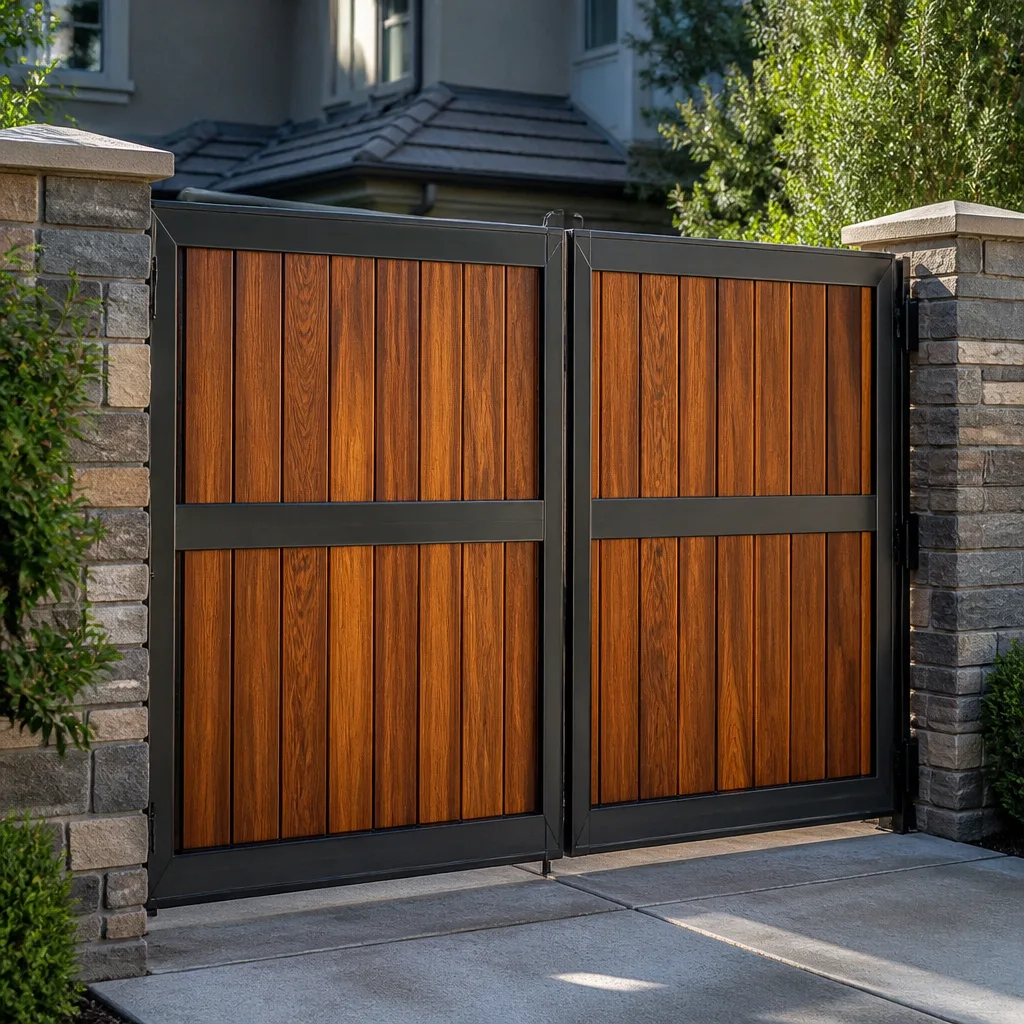 Wood & steel frame
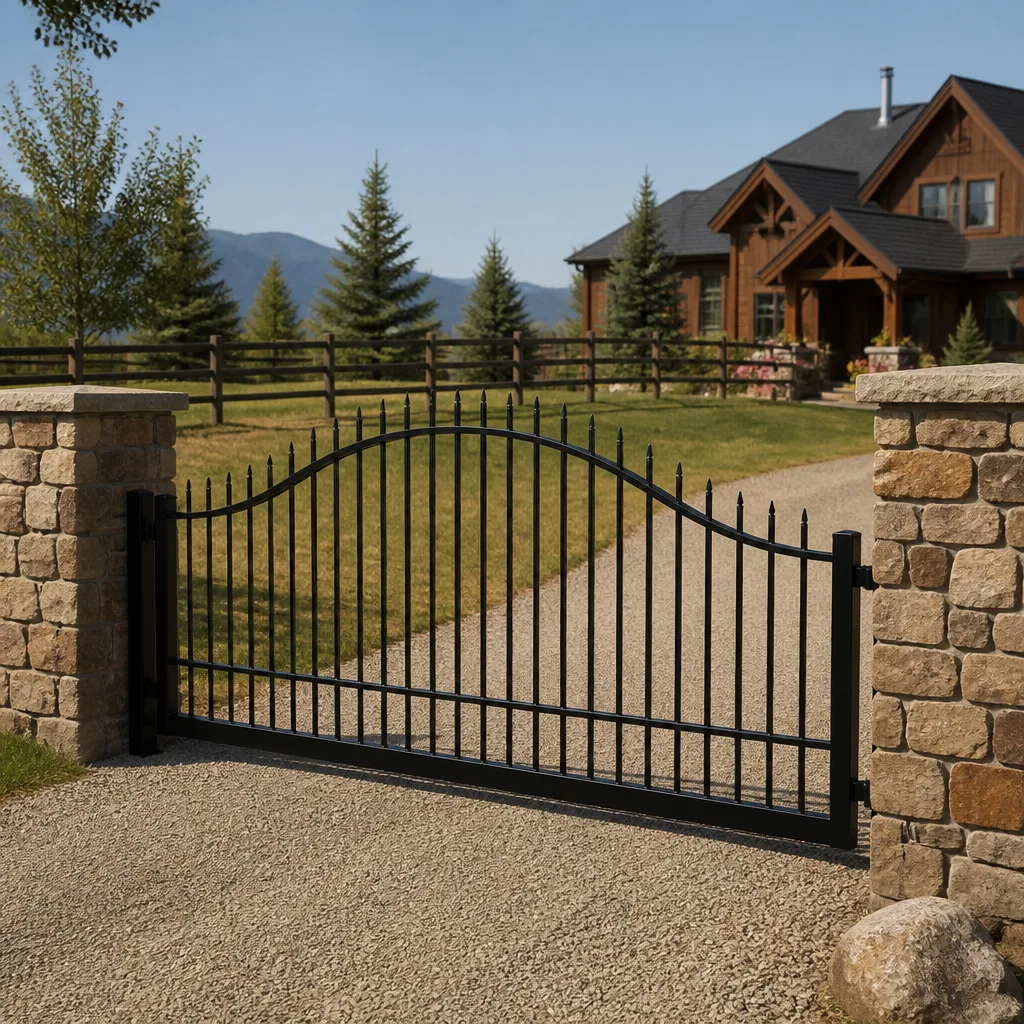 Farm & ranch
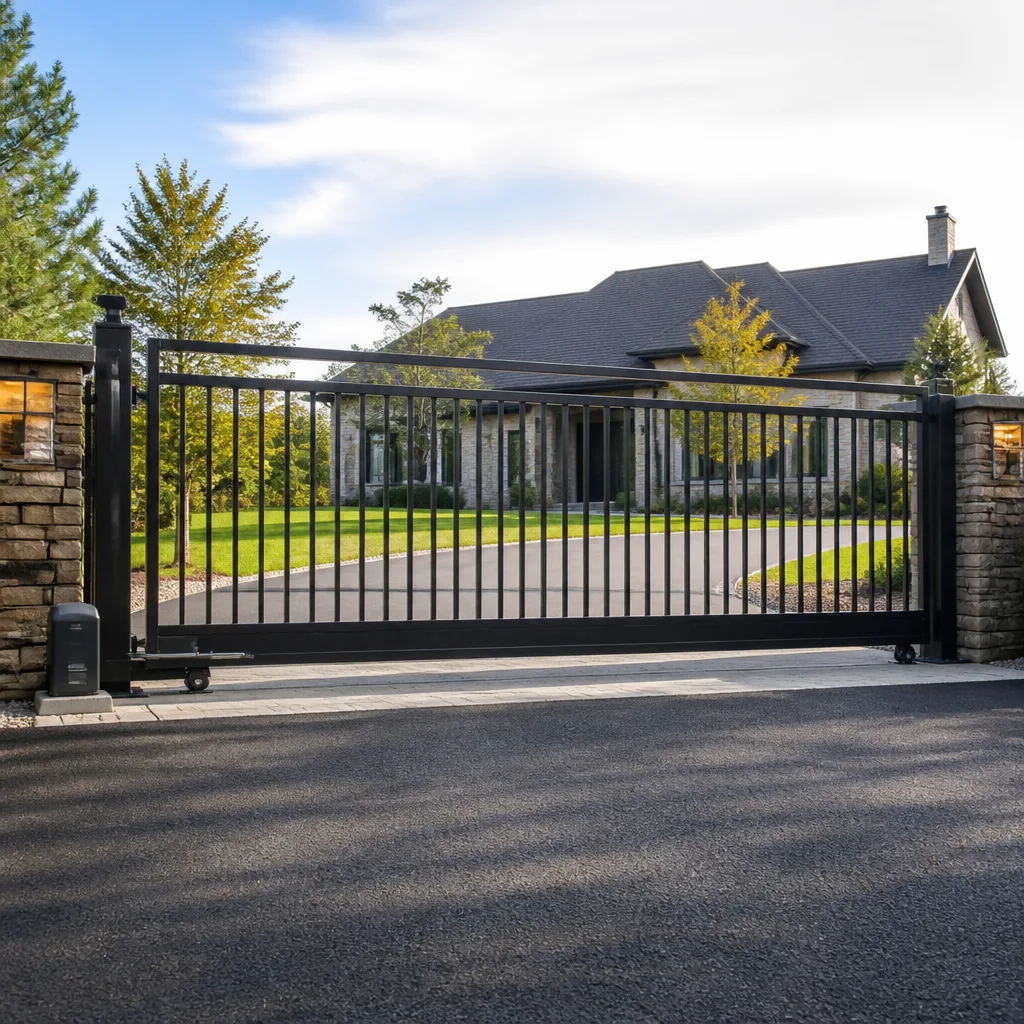 Sliding driveway gates
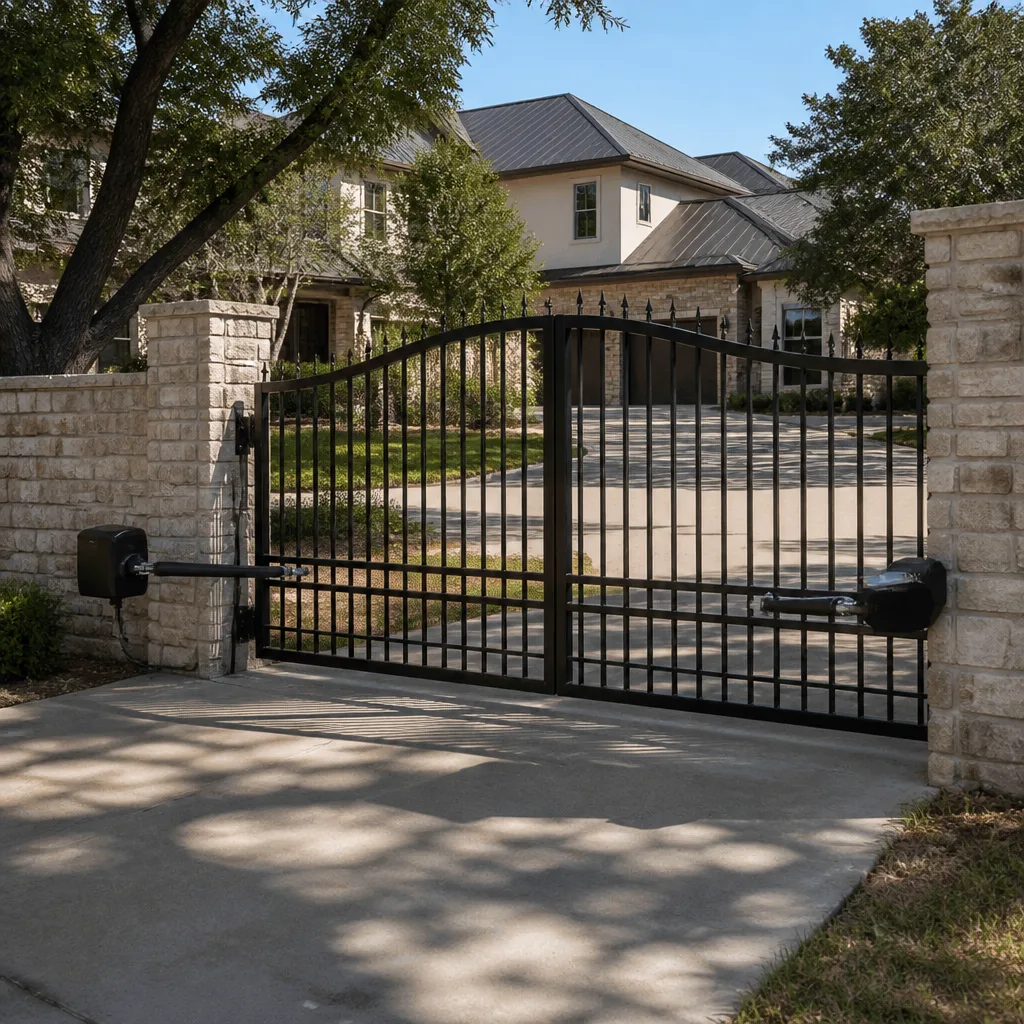 LiftMaster operators
Free on-site gate assessment - hinges, posts, and your LiftMaster or Nice gate operator checked before anything is quoted
The assessment is free and the quote is the invoice.
Get your free estimateDIY vs Professional Gate Repair: The Fort Lauderdale Homeowner’s Decision Guide
Most homeowners who lose a gate motor in Fort Lauderdale don’t realize the replacement decision was already made for them before they opened the toolbox. Florida Statute 489.505 makes electrical contracting work subject to licensure, and Broward County enforces it: any wiring on a 120-volt gate operator circuit legally requires a licensed electrical contractor. So the real question isn’t “can I fix this gate myself?” It’s “which gate tasks are actually safe, legal, and worth doing yourself here in Fort Lauderdale, and which ones quietly void your warranty, put your insurance at risk, or create a liability you didn’t know you were taking on?” This guide-and our more guides & resources-walks that line honestly, task by task, so you know exactly where you stand before you spend a dollar in either direction.
Styles & brands we work with
Quick Answer
Most Fort Lauderdale homeowners can safely handle three gate tasks themselves: lubricating hinges and rollers, adjusting limit-switch settings on most residential operators, and swapping a dead backup battery. Everything involving 120V wiring, control-board programming, structural welds, or re-hanging a gate leaf belongs in the hands of a licensed pro offering our Gate Repair services, both because Florida code requires it in some cases and because the downstream cost of a mistake, from voided warranties to stripped gears to an insurance claim denial, routinely exceeds what the repair would have cost.
Table of Contents
- What Florida Law Actually Says You Can and Cannot Do
- Three DIY Gate Tasks That Are Genuinely Safe and Worth It
- Four Tasks That Look Simple But Carry Real Risk
- The Warranty Angle Nobody Talks About
- How to Use a Professional Diagnosis to DIY Strategically
- What Fort Lauderdale’s Climate Does to Gates (And Why It Changes the DIY Math)
- Common Mistakes to Avoid
- When to Call a Professional
- Frequently Asked Questions
- The Bottom Line
Before we go further, a note on who’s writing this. We’re Portcullis Gate Repair Fort Lauderdale home, an independently owned Kingswell company that’s been doing gate repair in Fort Lauderdale since 2008. We get called after DIY attempts go sideways about once every two weeks. This guide is an honest split of what we’d tell a neighbor to do themselves versus what we’d tell them to call us for. We make our living fixing gates, but we don’t make it by pretending every task needs a truck roll.
What Florida Law Actually Says You Can and Cannot Do
The Florida Statutes draw a bright line between mechanical maintenance and electrical work. Here is where that line sits for gate repair in Fort Lauderdale specifically.
Under Florida Statute 489.505 and the Broward County amendments to the Florida Building Code, any modification, extension, or repair to a 120-volt branch circuit requires a licensed electrical contractor and, in most cases, a permit pulled through the Broward County Building Code Services Division. A gate operator wired into your home’s electrical panel is exactly that: a 120-volt circuit. When a homeowner splices wires inside a LiftMaster or FAAC operator, replaces a transformer, or runs new conduit from the panel to the gate post, that is not maintenance. That is unpermitted electrical work, and Florida treats it accordingly.
The consequences are not theoretical. If that unpermitted wiring contributes to a fire, a shock, or a gate striking a vehicle or person, your homeowner’s insurance carrier in Florida has a documented basis to deny the claim. We have watched this happen in Plantation and Davie, not just in Fort Lauderdale proper. The carrier’s adjuster looks for the permit, doesn’t find one, and the rest writes itself. The same logic applies to low-voltage landscape lighting run to a gate by a homeowner without a permit: the voltage is low, but the liability is not.
What you can do without a license, under Florida law, is significant. Owners of single-family homes may perform maintenance and repairs on their own property without a contractor’s license, so long as the work does not touch the electrical system, structural members, or life-safety devices. That means greasing hinges, adjusting a closed-position limit switch with a screwdriver, and replacing a plug-in backup battery are all on the safe side of the line.
One more practical point: Broward County enforces these rules more actively than most South Florida counties. Code enforcement officers in Wilton Manors and Oakland Park have made gate-related electrical citations a regular part of their drive-by inspections, and a flagged unpermitted operator install can trigger a stop-work order that freezes sale of the property until remediated. If you’re planning to sell within a few years, that is not a risk worth taking for a Saturday project.
The Three DIY Tasks That Are Legal in Fort Lauderdale, Summarized
- Mechanical lubrication of hinges, rollers, and the actuator arm pivot points. No permit, no license, no electrical exposure.
- Limit-switch adjustment on most residential swing and slide gate operators, done with a screwdriver on externally accessible potentiometers or digital menu settings. You’re not opening the electrical enclosure; you’re turning an adjustment screw or pressing menu buttons.
- Backup battery replacement on operators with an external or easily removable battery tray. This is typically a plug-and-play swap, no wiring involved.
Everything else involving the operator’s internal wiring, the control board, the capacitor, or the transformer is a licensed electrician’s job in Florida, full stop. For more on what a full professional repair involves, see our page on Electric Gate Repair in Fort Lauderdale.
Three DIY Gate Tasks That Are Genuinely Safe and Worth It
These are the three tasks we tell our own neighbors in Fort Lauderdale to do themselves, because the savings are real, the risk is low, and the task is hard to get wrong.
1. Lubricating Hinges, Rollers, and the Actuator Pivot
In Fort Lauderdale, salt air and daily humidity mean gate hardware that goes ungreased for a year develops a crust of surface rust and starts to bind. A bound hinge forces the actuator, which is the motorized arm that physically pushes the gate open, to work harder on every cycle. That extra load shortens motor life more than any other single factor we see in South Florida. Greasing the hinge pins and the actuator pivot points takes 10 minutes and a tube of lithium-based grease or white lithium spray. Do it twice a year, once before hurricane season and once in November, and you’ll add years to the operator.
What to use: a lithium-based grease for the hinge pins and actuator pivot. Avoid WD-40 as a lubricant; it’s a solvent and rust remover, not a long-term grease, and it will strip the existing lubrication off the pin. If a roller wheel on a slide gate is squealing, a few drops of a penetrating oil on the wheel bearing is usually enough.
What this saves: a service call for a bound gate typically runs $150 to $250 in Fort Lauderdale, and most of those calls end with the tech spraying grease on the same hinges you could have hit yourself. Twice-a-year lubrication eliminates most of those visits.
2. Adjusting Limit-Switch Settings
When a gate stops opening fully, or closes too far and grinds against the stop, the limit switches are usually the culprit. These are simple mechanical or digital settings that tell the operator how far the gate should travel in each direction. On most LiftMaster, FAAC, and Mighty Mule residential operators, the adjustment is done with a small screwdriver on a marked dial or through a basic menu on the built-in display. The adjustment point is external; you are not opening the electrical enclosure or touching any live wiring.
The sequence, step by step:
- Find the limit-switch adjustment on the operator housing. On most residential units, it’s a visible dial or two labeled “open limit” and “close limit.”
- If the gate stops short of fully open, turn the open-limit dial slightly in the direction marked “more” or “+”. A quarter turn is usually enough. Test the gate after each small adjustment.
- If the gate slams into the closed position or over-travels and grinds, adjust the close limit in the “less” or “-” direction in small increments.
- Cycle the gate three times after each adjustment to confirm consistent behavior.
This is a 15-minute task that our techs handle constantly, and the user manual for any name-brand operator spells the procedure out plainly. If the adjustment doesn’t change the gate’s travel, or the gate behaves erratically, stop and call a professional; that points to a failing control board, not a limit-switch setting.
3. Replacing a Dead Backup Battery
Hurricane season makes backup batteries a constant topic in Fort Lauderdale. When the power drops, a gate operator with a dead backup battery locks your driveway shut until Florida Power & Light restores service, at which point the gate usually works again. Replacing the battery is a straightforward maintenance task on most residential operators. The battery sits in a labeled tray behind a plastic cover, and the swap is plug-and-play: unplug the two spade connectors from the old battery, slide in the new one, reconnect. No wiring, no programming, no special tools.
What to buy: the exact battery model listed in the operator manual, typically a sealed lead-acid 12V, 7Ah or 8Ah brick available at most battery shops in Fort Lauderdale for $25 to $45. Do not substitute a different chemistry or capacity. A 12V 7Ah battery is not interchangeable with a 12V 5Ah one for this application, even if the connector happens to fit.
This task saves $120 to $200 on a service call. It is also squarely within what Florida law allows an owner to do on their own property.
Four Tasks That Look Simple But Carry Real Risk
These are the jobs that most often go wrong when a Fort Lauderdale homeowner attempts them, not because the homeowner lacks basic competence, but because the failure mode is invisible until it is expensive.
1. Realigning a Sagging Gate
A gate that drags on the driveway or sags at the latch side looks like a simple hinge adjustment. Sometimes it is. More often in South Florida, what looks like a sagging gate is actually a gate post that has begun to lean or settle in sandy or saturated soil. Fort Lauderdale sits on a mix of sand and muck, and gate posts set without adequate footers shift over time, especially after heavy rain seasons. When you crank the hinge bolts to compensate for a leaning post, you’re masking the real problem while adding stress to the operator, which now has to fight the misalignment on every cycle. The fix that looks cheap becomes a $1,200 actuator replacement six months later. Assessing post integrity requires checking plumb on both posts, examining the footer, and sometimes probing the soil line. That is a professional evaluation, not a hinge adjustment.
2. Replacing a Control Board
On the surface, swapping a control board looks like a computer part exchange: unplug the old, plug in the new. The catch is that residential gate operators come from the factory with safety parameters configured to the specific install. When a new board goes in, the safety reverse function, the force sensitivity, the auto-close timing, and the obstruction detection all need to be set correctly. A board programmed with the force sensitivity too high will not reverse when a child or pet is in the gate’s path; a board set too low will not close the gate at all. A BFT or Viking board installed with default settings often fails to reverse on obstruction, which is exactly the situation that produces a serious injury. This is not a plug-and-play repair, and most manufacturers agree with that assessment in their documentation. We’ve also seen more than one homeowner install a new board only to discover the original problem was a bad limit switch, not the board at all. A $75 switch fix became a $400 board replacement, and the gate still didn’t work.
3. Repairing a Weld
Structural welds on a steel or aluminum gate are life-safety components. A cracked weld on a gate hinge or a broken weld on a slide-gate track support is not a cosmetic issue; it is a structural failure waiting to happen at the worst possible moment, which is to say, during a wind event or while the gate is under load. Home welding on a gate that weighs 400 to 800 pounds is a liability, not a savings. The repair needs to be done by someone who can assess the original weld’s condition, prep the joint properly, and weld to a standard that matches the gate’s structural requirement. In Fort Lauderdale, where hurricane-force winds turn a heavy gate into a sail, a failed weld repair is a projectile risk. Skip the flux-core hobby machine for this one.
4. Re-hanging a Gate Leaf
Taking a gate leaf off its hinges to straighten it, replace a hinge, or repaint it seems like the most mechanical, least technical task on this list. The issue is balance and motor load. A gate that goes back on its hinges even slightly out of plane, a half-inch high on one side or cocked a degree off square, changes the effective load on the operator with every cycle. The actuator compensates by working harder, generating more heat, and wearing out its gears faster. We regularly see operators in Fort Lauderdale that died within a year of a homeowner re-hanging the gate, and the owner never connects the two events. A professional re-hang includes weighing the leaf, confirming the operator’s force rating still matches the gate’s actual weight, and adjusting the limit switches and force settings to the new geometry. It’s not just picking the gate up and bolting it back on.
The Warranty Angle Nobody Talks About
Here’s the part of the DIY math that most Fort Lauderdale homeowners never see until it’s too late: the warranty on your gate operator almost certainly has a clause voiding coverage if a non-licensed person performs internal repairs. LiftMaster, FAAC, BFT, and Viking all include language in their residential operator warranties stating that unauthorized service, modification, or internal access voids the warranty in whole. That language is not buried in fine print; it is in the first page of every warranty document those companies publish.
What does that mean in practice? If your LiftMaster operator is two years into a five-year motor warranty and you open the enclosure to replace a capacitor yourself, and the motor fails a month later, the manufacturer will deny the claim. Your $40 capacitor and an afternoon of work just voided the remaining three years of motor coverage on a unit that would have been replaced free under warranty. The same principle applies to third-party components. We have replaced entire operators that were still under warranty but were voided because a handyman, or a homeowner, or an unlicensed “gate guy” opened the unit and attempted a repair.
This changes the DIY calculation significantly when the operator is less than three years old. On a 10-year-old unit with an expired warranty, there is nothing left to void, and the DIY math tilts further toward attempting the simple fixes. On a two-year-old FAAC or LiftMaster, the correct move is to call a company that services that brand, get the repair done under warranty, and keep the coverage intact. Our technicians are trained on nine major gate-operator brands, including LiftMaster, FAAC, BFT, Linear, Viking, Ghost Controls, DoorKing, Elite, and Mighty Mule, so the tech who arrives already knows the specific system on the property. For a broader look at how we handle repairs, see our Gate Repair in Fort Lauderdale page.
How to Use a Professional Diagnosis to DIY Strategically
There is a middle path between full DIY and full-service repair that many Fort Lauderdale homeowners don’t consider: pay for the diagnosis, then do the simple parts of the fix yourself.
Here is how it works. You call a licensed gate company and ask for a written diagnosis of the problem. In our case, that diagnosis includes the exact failing component, the part number, the labor involved, and a written price for the complete repair. You now have a professional assessment in your hand, and you can decide which parts of the job you’re comfortable doing. A few realities make this strategy work better for some components than others.
Components that are genuinely interchangeable and easy to source:
- Backup batteries. As covered above, these are plug-and-play and widely available at local suppliers.
- Photo-eye sensors. The small infrared safety beams near the base of a slide gate or swing gate are usually a two-wire or three-wire connection and a mounting bracket. They are polarity-sensitive, but the manual diagrams are clear.
- Remote controls and keypad units. Programming a new wireless remote or a keypad is a menu-driven process on most residential operators. This is not electrical work; it is essentially pairing a garage-door opener.
- Wheels and rollers on slide gates. Replacing a worn roller is a mechanical task, though it does require supporting the gate safely and may involve some heavy lifting.
Components that require calibration or are not interchangeable:
- Control boards. As explained above, wrong settings defeat the safety reverse function. Do not attempt this as a strategic DIY.
- Actuators and gear reducers. The replacement actuator must match the gate’s weight, length, and duty cycle. Guess wrong, and the new motor burns out in months. Professional sizing is required.
- Capacitors and transformers. Both carry stored or live voltage, and both are inside the electrical enclosure. A capacitor holds a charge even with the power off. This is the component that most often injures a homeowner who “knows a little about electronics.”
- Limit switches inside the enclosure. Externally accessible adjustments are fine. Any limit-switch replacement that requires opening the wiring compartment is not.
The strategic-DIY approach works best when the diagnosis reveals a dead battery, a bad photo-eye, or a failed remote receiver, because those fixes are simple, sourced, and well-documented. When the diagnosis points to a cooked control board, a stripped gear, or a seized actuator, the value of having the diagnosing company complete the repair is not convenience; it is the written guarantee that comes with the work.
What Fort Lauderdale’s Climate Does to Gates (And Why It Changes the DIY Math)
Gate repair in Fort Lauderdale is not the same job as gate repair in Phoenix or Denver. The environment here attacks gate hardware in ways that are specific to this city, and that specificity matters when you’re deciding whether a DIY fix will hold or will be a recurring Saturday project.
The first factor is salt air. Homes east of Federal Highway, in neighborhoods like Rio Vista, Victoria Park, and Harbordale, live inside a salt-mist zone for half the year. Salt accelerates corrosion on bare steel hinges, actuator arm joints, and control-box fasteners. A hinge that looks fine on a gate in Plantation may be pitted and weakened on the same age gate in Victoria Park. That means DIY lubrication in coastal Fort Lauderdale is not just a lifespan improvement; it is an essential countermeasure against salt-driven wear. And it means that when a hinge or bracket has visible rust pitting, the fix is replacement, not lubrication, because the underlying metal has already lost strength.
The second factor is saturated soil. Fort Lauderdale sits on high water table land, and the wet season from June through November keeps the soil at saturation for months at a time. Gate posts set without deep, concrete footers shift and lean. This is the root cause of most “sagging gate” situations in the city, and it is exactly why the DIY hinge-cranking approach fails so often. The post moves; the hinge does not. No amount of hinge adjustment fixes a settling footer. A professional evaluation in Fort Lauderdale includes checking the post plumb and the footer condition, because those are the local failure modes, not the hinge itself.
The third factor is hurricane wind loading. Broward County’s building code requires gates to meet wind-resistance standards that don’t apply in most of the country. A gate leaf that is loose on its hinges, or a post that is leaning even slightly, becomes a wind sail in a tropical storm. The force on the operator and the mounting hardware multiplies, and failures happen during the wind event, not after. This is why we tell homeowners to check gate hardware in May, before hurricane season, not in October when the track is already on the news. Structural issues on a Fort Lauderdale gate are not deferred-maintenance items; they are hurricane-prep items, and Florida’s building code treats them that way.
Common Mistakes to Avoid
- Using WD-40 as a hinge lubricant. WD-40 is a penetrant and rust remover, not a long-term grease. It strips existing lubrication and leaves the hinge dry within weeks. In Fort Lauderdale’s salt air, a dry hinge rusts faster. Use white lithium grease or a lithium-based grease.
- Opening the electrical enclosure on a live operator. The capacitor inside a gate operator holds a charge even after the breaker is off. This is the single most common cause of DIY gate-repair injuries we hear about from local emergency rooms, and it is entirely preventable: don’t open the enclosure if you are not a licensed electrical contractor, which Florida law requires for any 120V circuit work anyway.
- Assuming a sagging gate just needs hinge adjustment. In Fort Lauderdale, a sagging gate is usually a shifting post in saturated soil. Cranking the hinge bolts masks the problem and transfers the stress to the actuator. Six months later, the actuator fails, and the original post problem is still there.
- Buying a universal replacement board without checking compatibility. Universal boards exist, but they are rarely a true drop-in for BFT, Viking, or FAAC equipment, and setting the safety parameters correctly requires the installation manual and a multimeter. A no-name universal board with wrong force settings defeats the safety reverse, and now your gate is actively dangerous.
- Replacing an actuator without verifying the gate’s weight. An actuator rated for a 400-pound gate will fail prematurely on a 700-pound gate, and the owner typically discovers this when the motor quits during a storm or after the warranty has run out. Matching actuator force to gate weight and duty cycle is a core part of the professional sizing job.
- Skipping the permit on any electrical run to the gate. Even a new outlet for a plug-in operator on the gate post is an electrical circuit. In Broward County, doing it without a permit is a code violation that can become a stop-work order or an insurance denial. The savings is never worth the exposure.
- Assuming a dead gate is always the operator’s fault. We arrive at a significant number of service calls in Fort Lauderdale where the homeowner, or the homeowner’s previous handyman, has already replaced a board or a battery, and the actual problem is a seized hinge or a blown fuse in the disconnect. A written professional diagnosis costs less than a misdiagnosed part replacement.
When to Call a Professional
Call a licensed pro when the problem is any of the following: the gate trips its breaker or blows a fuse, indicating a short or overload inside the electrical system; the operator runs but the gate doesn’t move, indicating a stripped gear or broken drive coupling; the gate reverses on obstruction without an obstruction present, the safety sensors are misaligned or the force settings are wrong; the gate post is visibly leaning or cracked at the base; there has been a weld failure anywhere on the gate structure; or the operator is less than three years old and still under manufacturer warranty, because a DIY attempt will void that coverage. If you’ve already attempted a repair and the gate is now behaving worse, stop and call. Gate Installation in Fort Lauderdale has more on how professional installs differ from repairs. Portcullis Gate Repair Fort Lauderdale offers free estimates in Fort Lauderdale, covers the full city including Victoria Park, Rio Vista, and the surrounding neighborhoods, and every job includes a written price before any work starts. Call (754) 354-7351 and a live person answers, 24 hours a day, including holidays. That’s the Kingswell Guarantee, and it’s been the same since 2008.
Frequently Asked Questions
Most Fort Lauderdale gate repairs run between $150 and $600, with the biggest variables being the failed component and whether the operator is still under warranty. For a detailed look at pricing, see our Gate Repair Cost Breakdown: The Fort Lauderdale Homeowner’s Reference for 2026. A backup battery replacement or limit-switch adjustment is typically $150 to $250, a new photo-eye sensor $200 to $350, a new control board $350 to $650, and a full actuator replacement $600 to $1,400 with parts and labor. Call (754) 354-7351 for an exact quote, and that price is written down before we touch a single bolt.
Yes, and we answer the phone around the clock, so when you call (754) 354-7351, a live person picks up and schedules the visit. In Fort Lauderdale and the surrounding area, we can typically have a technician out the same day or next morning. Every appointment includes a real arrival window, not an “sometime between 8 and 5” promise, and the price is quoted in writing before any work starts.
If the replacement involves any change to the 120V electrical circuit, yes. Under Florida Statute 489.505 and Broward County Building Code, that work requires a licensed electrical contractor and generally a permit through Broward County Building Code Services. A homeowner who performs that wiring without a permit has created an unpermitted electrical modification, which can void insurance coverage on a related claim and create a disclosure issue at resale.
Yes. Every repair includes a written Kingswell Guarantee, and if the repair fails within 365 days, we come back and fix it at no charge. That’s the 365-Day Done Right Promise, and it is stamped on every invoice. It’s not a verbal assurance; it’s written on the paperwork, the same way the price is. If the repair fails inside that year, you pay nothing for the return visit.
Our technicians are trained on nine major brands: LiftMaster, FAAC, BFT, Linear, Viking, Ghost Controls, DoorKing, Elite, and Mighty Mule. That means the tech who shows up at your Fort Lauderdale home has already worked on your specific system, not just read the label on the side of the operator. Brand-specific training matters because programming sequences and safety parameters differ from one manufacturer to the next.
It depends on the failure and the operator’s age, but here’s the honest version we give our Fort Lauderdale customers. If the operator is under 10 years old and the failure is a battery, a limit switch, a photo-eye, or a remote receiver, repair almost always makes sense. If the operator is over 15 years old and the failure is the main board, the motor, or the gearbox, replacement often costs less over the next five years, especially with salt air already shortening component life. We’ll quote the repair and the replacement both, and you make the call with full numbers in front of you.
The Bottom Line
The DIY-versus-professional decision for gate repair in Fort Lauderdale is not about how handy you are. It’s about which tasks are legally and safely yours to do, which ones quietly void warranties or insurance, and which ones fail invisibly until the bill is three times what the original repair would have cost. Grease the hinges twice a year. Adjust the limit switches if you’re comfortable reading a manual. Replace the backup battery yourself. For a full schedule, see our Gate Repair Maintenance Checklist for Fort Lauderdale Homeowners. And for anything involving 120V wiring, a control board, a structural weld, or a gate post that isn’t plumb, call a licensed pro with a written guarantee. In our case, that’s Portcullis Gate Repair Fort Lauderdale, a Kingswell company since 2008, at (754) 354-7351. We’ll give you a written price before any work starts, and we’ll stand behind the repair for a full year. That’s the deal, written down, every time.
Written by Dean Prescott, Owner at Portcullis Gate Repair Fort Lauderdale, serving Fort Lauderdale since 2008.
See the difference
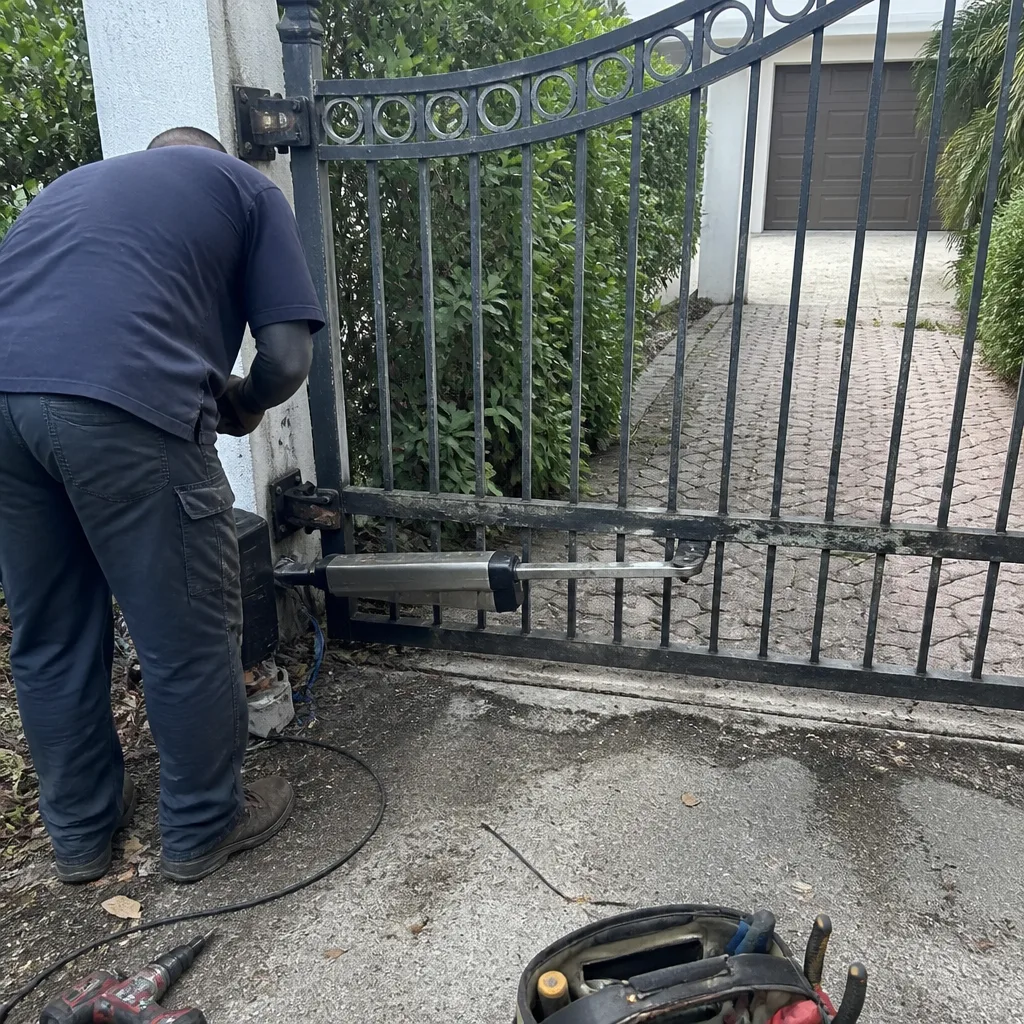 Before
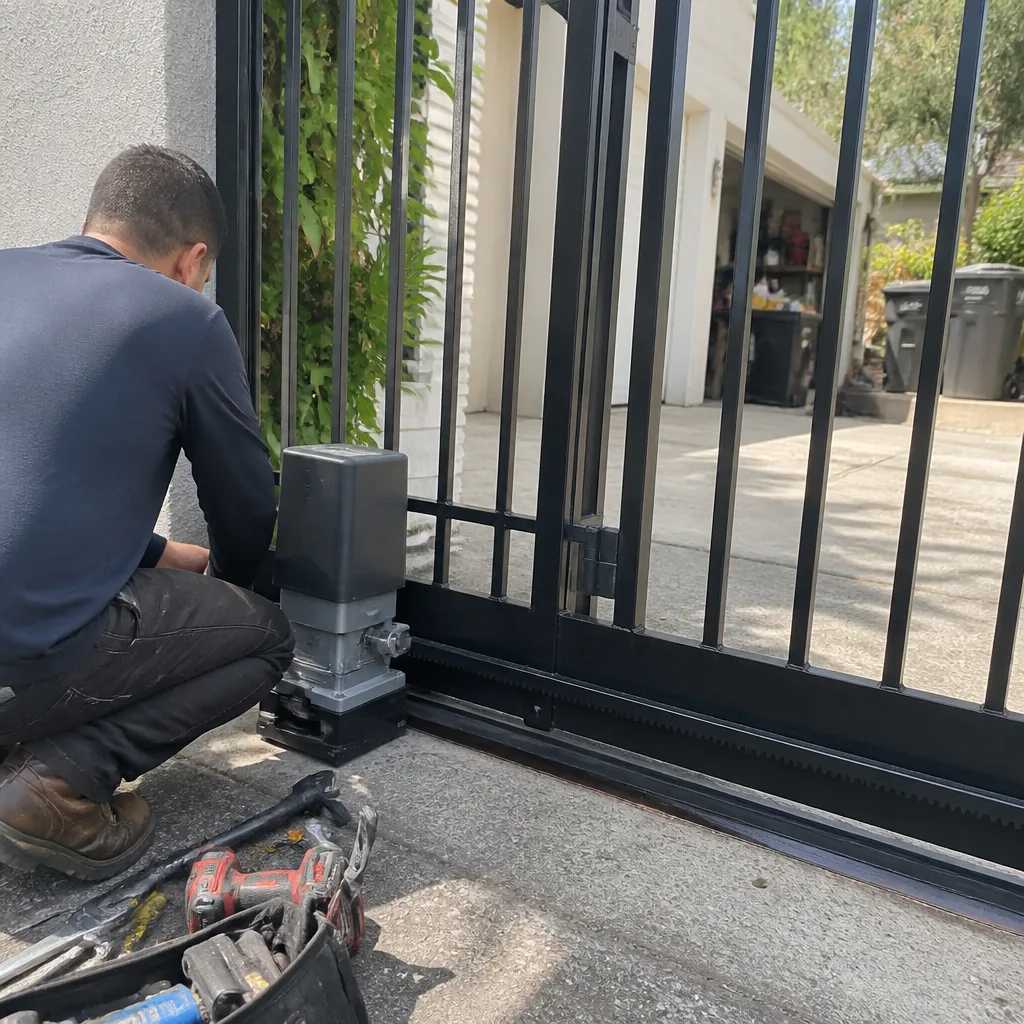 After
After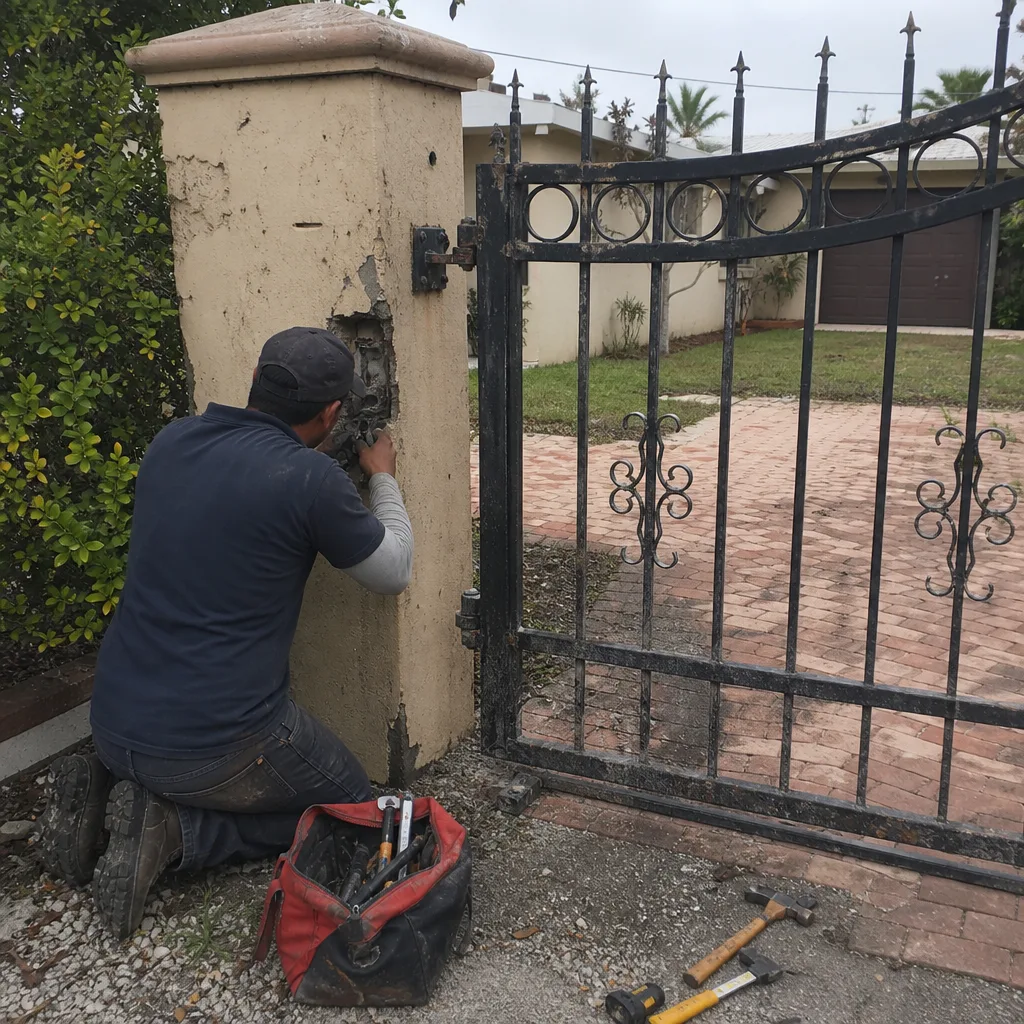 Before
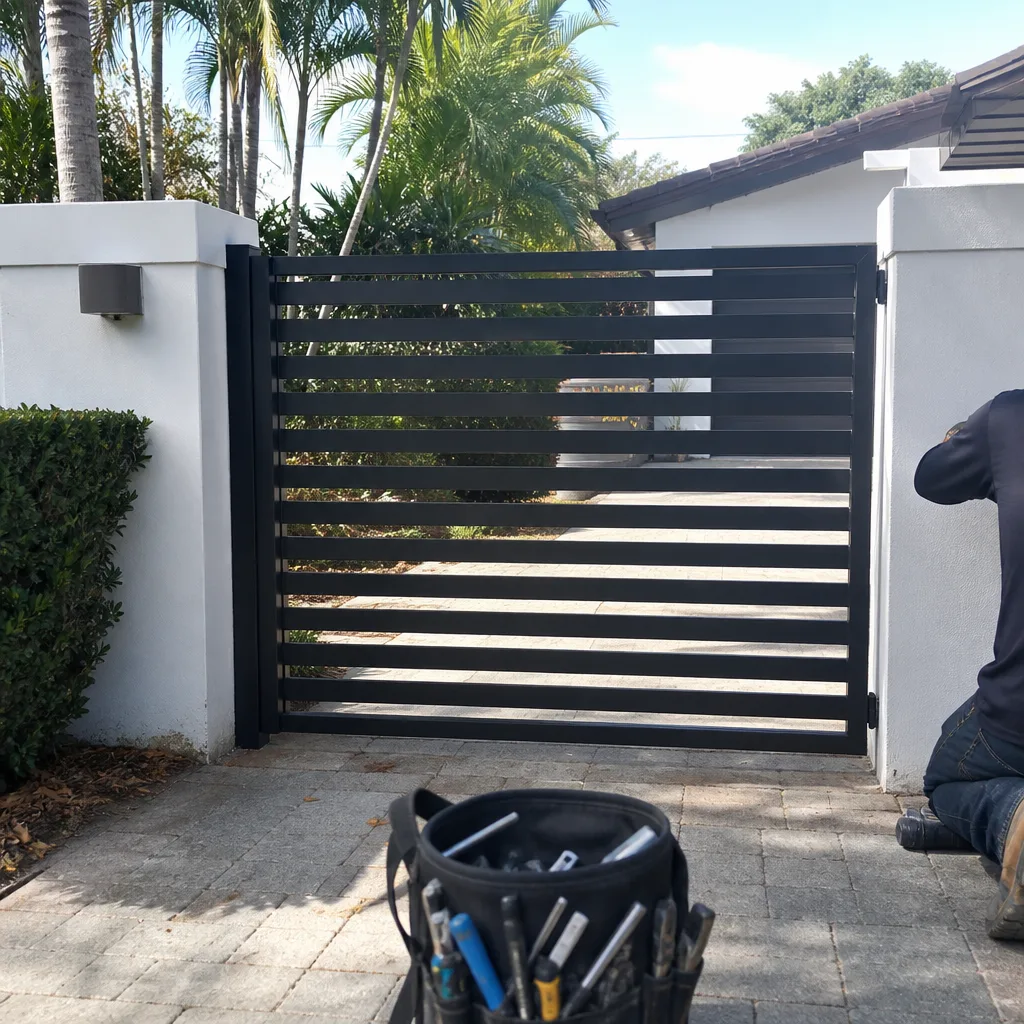 After
After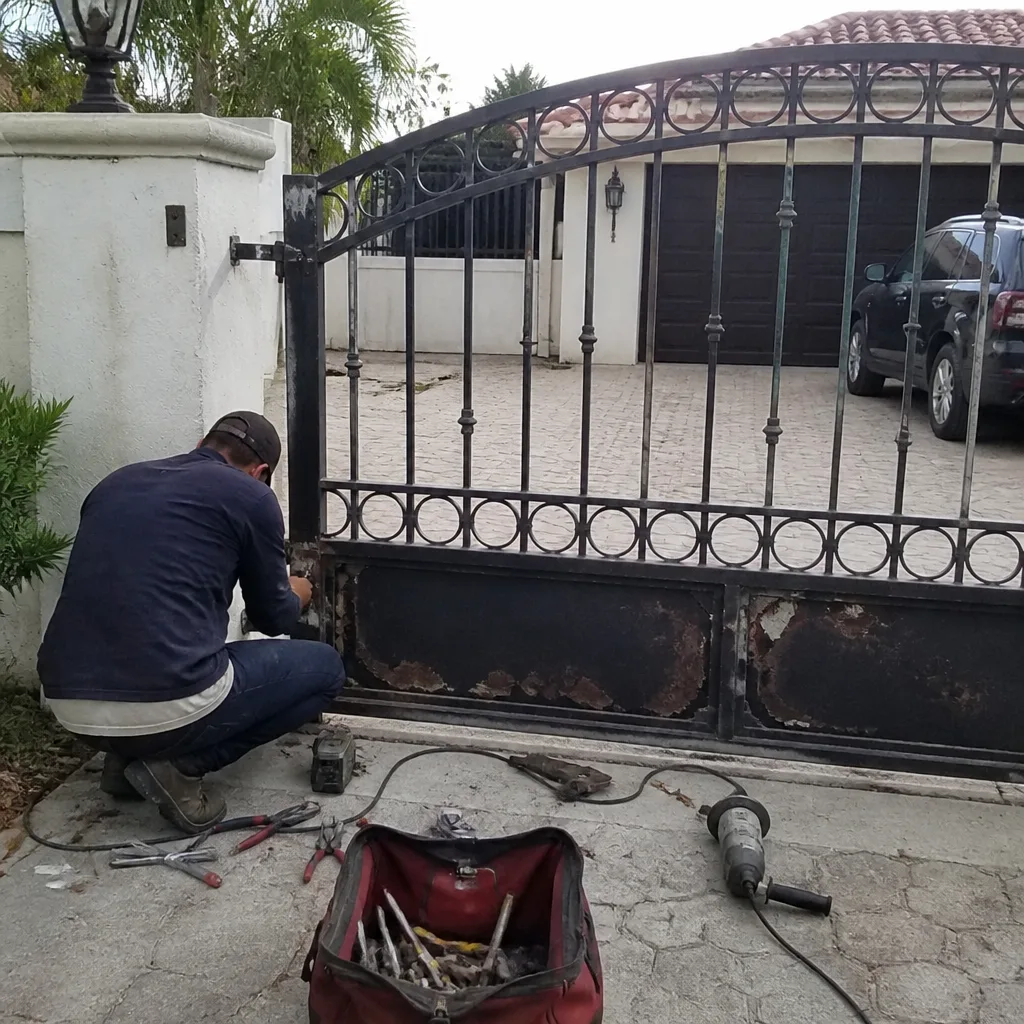 Before
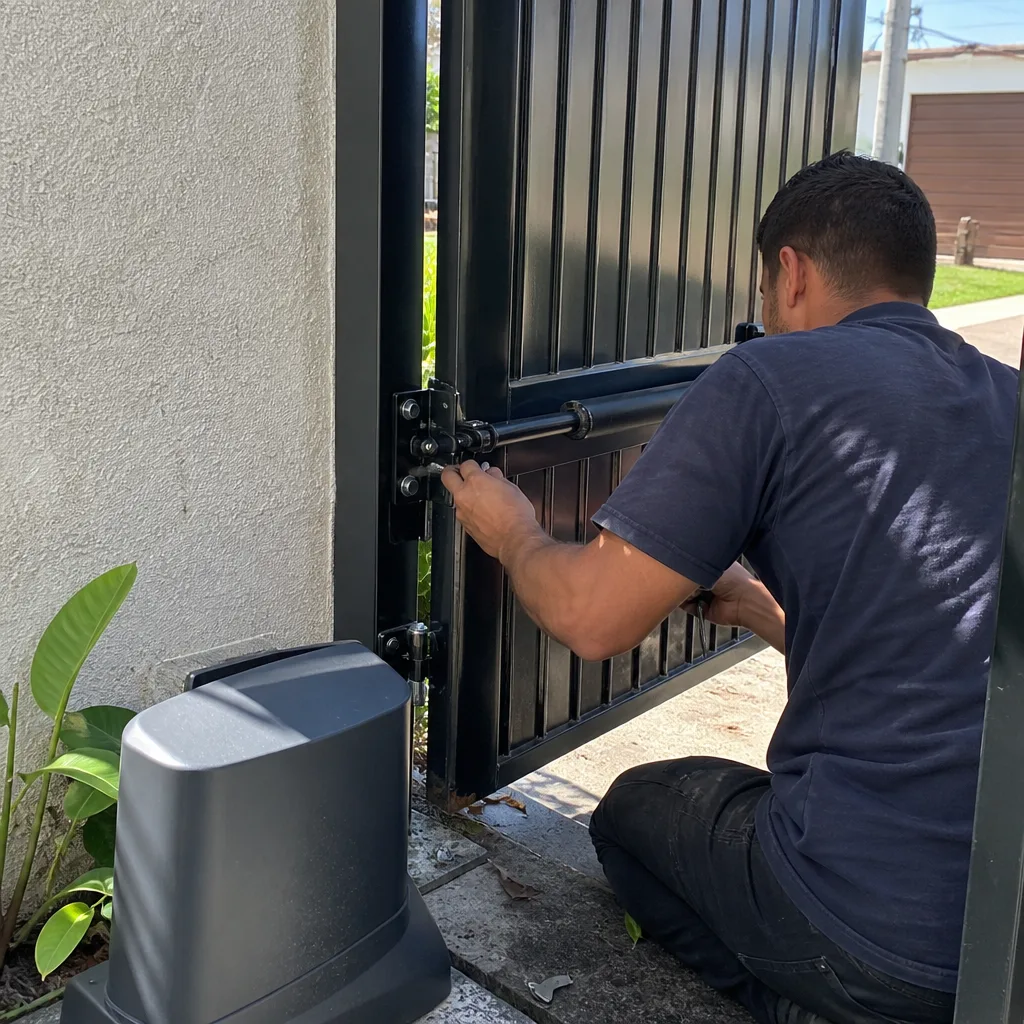 After
After