
Last updated October 16, 2026
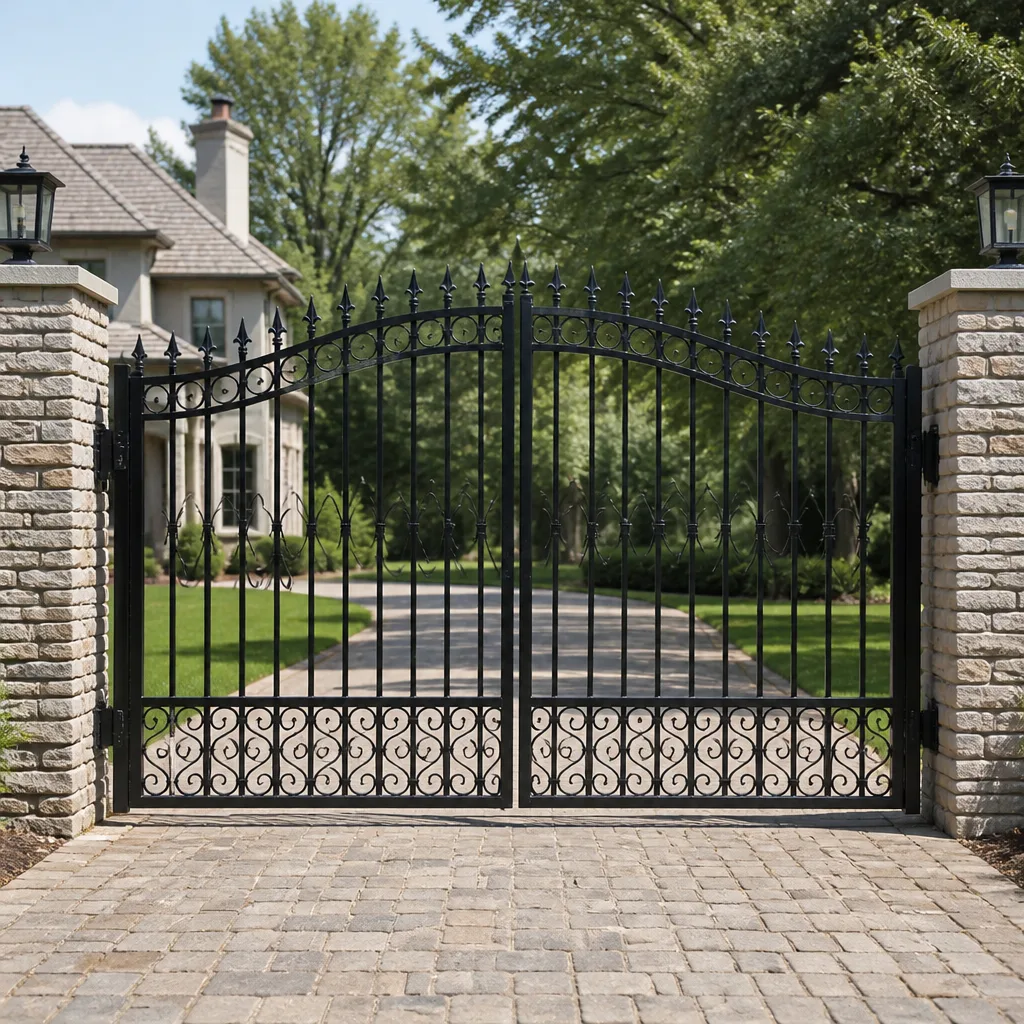 Wrought iron
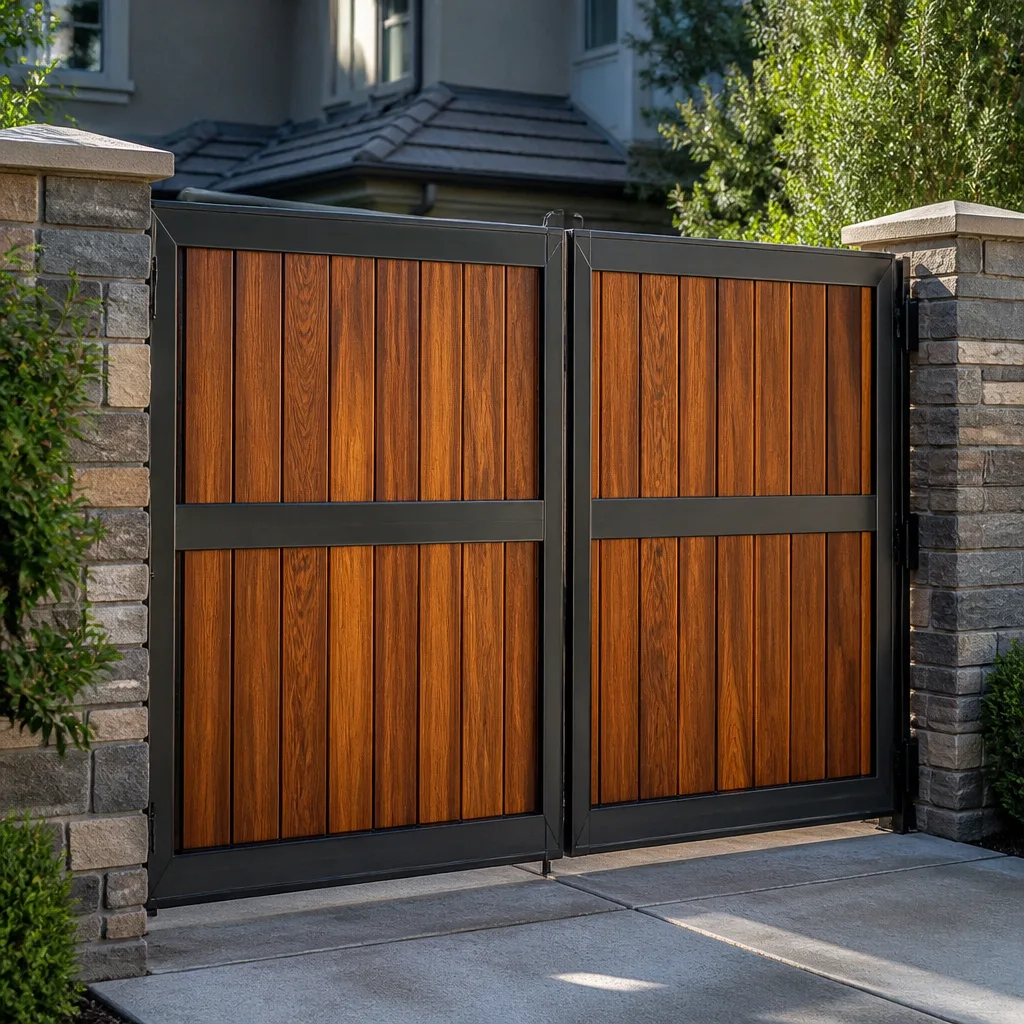 Wood & steel frame
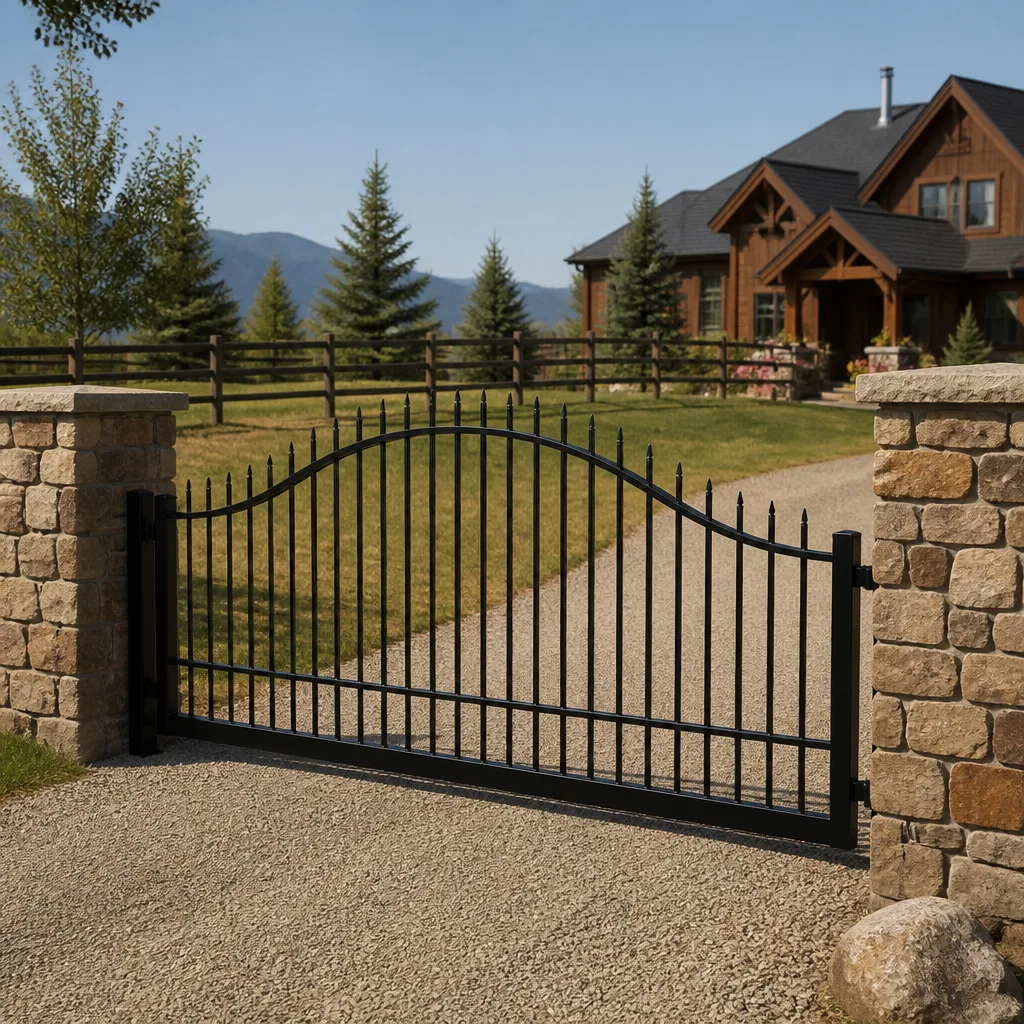 Farm & ranch
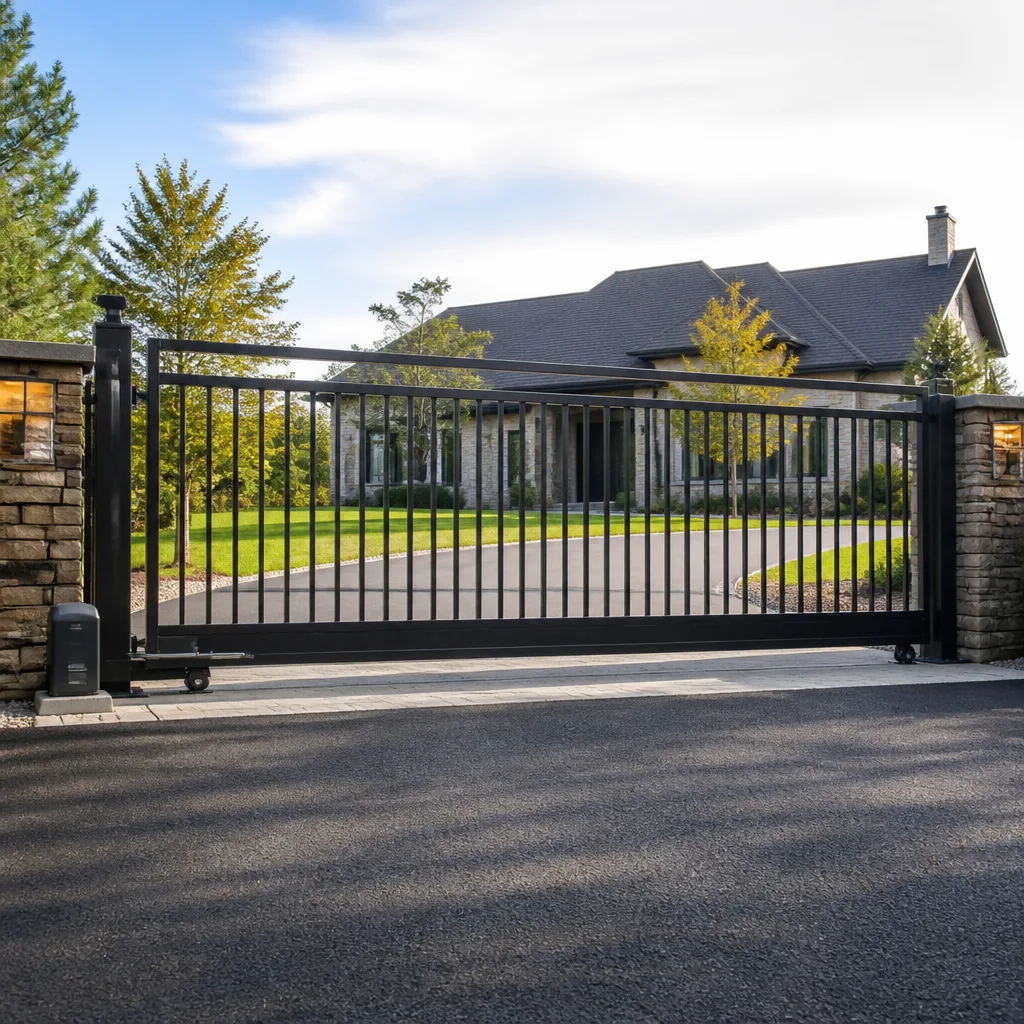 Sliding driveway gates
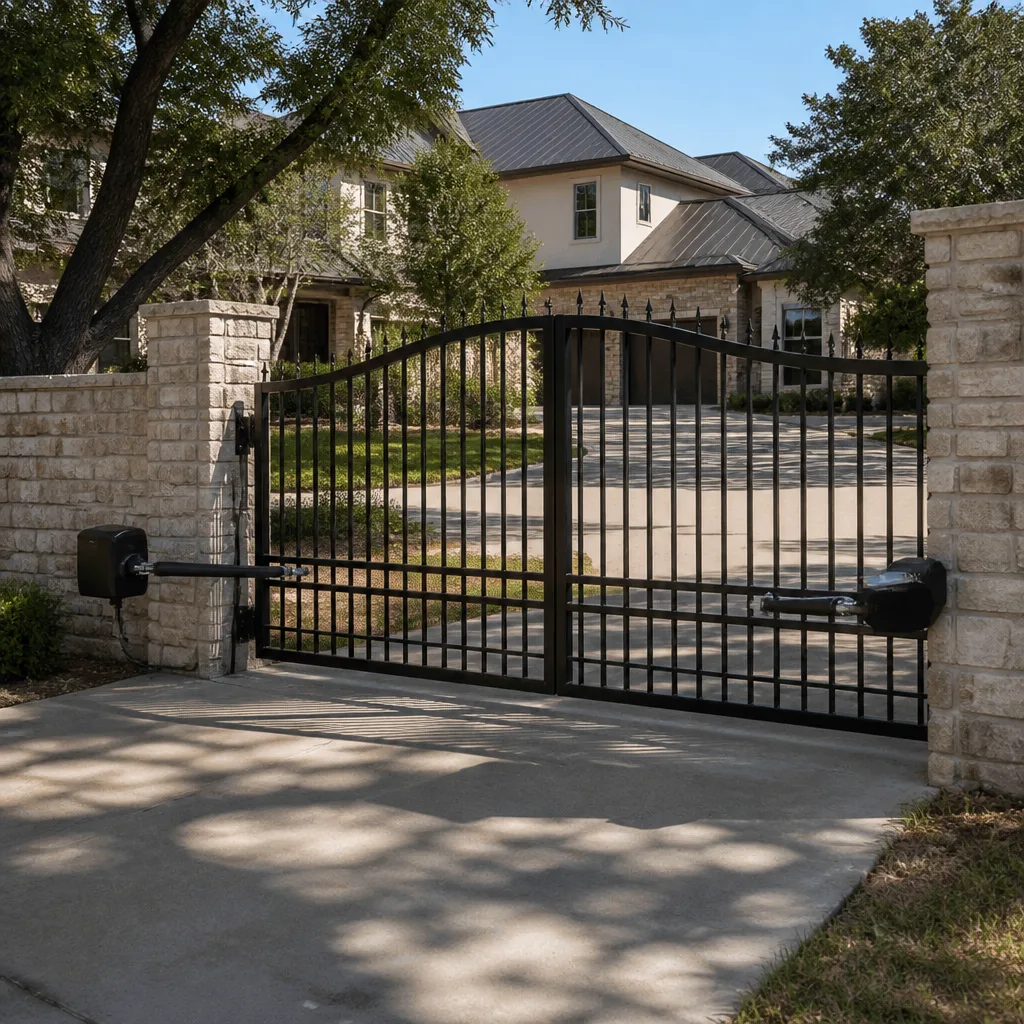 LiftMaster operators
Free on-site gate assessment - hinges, posts, and your LiftMaster or Nice gate operator checked before anything is quoted
The assessment is free and the quote is the invoice.
Get your free estimateGate Repair Maintenance Checklist for Fort Lauderdale Homeowners
The single most common maintenance mistake we see in Fort Lauderdale is homeowners reaching for WD-40 when a gate hinge starts squeaking. It feels like the right move, and it does quiet the noise for a few days. But WD-40 is a solvent and a water displacer, not a lubricant. It strips away whatever protective film was there and leaves bare metal exposed to the salt-laden air that blows in from the Atlantic. Within a week or two, the squeak comes back, usually worse. This guide is a task-by-task maintenance checklist built specifically for South Florida’s subtropical climate, because a gate in Fort Lauderdale fails differently than a gate in Phoenix or Chicago. You’ll learn what to check, when to check it, what products actually work here, and which problems you can safely handle yourself versus which ones need a gate technician.
Quick Answer
A proper gate maintenance routine for Fort Lauderdale homeowners comes down to this: lubricate moving parts every 90 days with marine-grade or lithium-based products (never WD-40), inspect your gate operator’s limit switches and safety sensors monthly, tighten all hinge and bracket bolts before hurricane season in May, and do a full post-storm inspection every October. Most gate failures in this area start as small corrosion or adjustment problems that a 20-minute monthly check would catch. If you do nothing else, do the monthly 10-point visual inspection and keep a dated log of every repair.
Styles & brands we work with
Table of Contents
- Why Fort Lauderdale Gates Fail Differently
- The Monthly 10-Point Visual Inspection
- The Correct Lubricants for Coastal Florida, by Component
- The Month-by-Month Fort Lauderdale Gate Calendar
- How to Check Limit Switches and Safety Sensors in Under 10 Minutes
- Wood Gates vs. Ornamental Iron: Different Finishes, Different Schedules
- The Gate Log: A Dated Record That Saves You Money
- Common Mistakes to Avoid
- When to Call a Professional
- Frequently Asked Questions
Why Fort Lauderdale Gates Fail Differently
A gate in Fort Lauderdale lives in one of the most aggressive environments for metal and electronics in the continental United States. Three things work against your gate every single day: salt, humidity, and heat. Salt from the ocean air settles on every exposed surface and accelerates corrosion on hinges, brackets, chains, and operator housings. Humidity hovers above 70% for most of the year, which means moisture works its way into electrical connections, circuit boards, and limit switch contacts. The heat, with daytime highs in the 80s and 90s for ten months of the year, causes metal to expand and contract, which slowly loosens bolts and shifts alignment.
In our experience maintaining and repairing gates across Fort Lauderdale since 2008, the failures follow a pattern. Coastal properties east of Federal Highway deal with corrosion first. Properties west of I-95 deal with heat-related operator failures and sensor drift. Properties in between deal with both. A generic maintenance checklist written for a dry climate will not tell you to inspect zinc sacrificial anodes on your operator housing, or to reapply dielectric grease on your control board connectors every six months. Those are two of the most effective preventive steps a Fort Lauderdale homeowner can take, and they cost about $15 combined.
The good news is that almost all of this is preventable. A gate that gets twenty minutes of attention each month will outlast a neglected gate by five to seven years. The checklist below is built around that reality. If you want to skip the background and go straight to the monthly routine, our Fort Lauderdale gate repair guide covers the most common failures we correct and what they cost to fix.
The Monthly 10-Point Visual Inspection
This is the core of the checklist. It takes about twenty minutes once you know what you’re looking at, and it catches roughly 80% of the problems that turn into expensive gate repairs in Fort Lauderdale. Do it on the first weekend of every month. Use your phone to take a photo of anything that looks unusual so you can compare it next month.
- Gate travel path: Walk the full arc of the gate’s movement. Look for debris, overgrown vegetation, or anything new that could obstruct travel. In Fort Lauderdale, landscaping grows fast. A shrub that was six inches clear of the gate in March can be touching it by May.
- Hinge bolts and bracket bolts: Grab each hinge and give it a firm shake. Any movement at all means bolts are loosening. Tighten them now. A loose hinge puts uneven load on the gate frame and will eventually crack a weld.
- Gate sag check: Stand at the latch post and look across the top rail of the gate. It should be level. If the free end sits more than half an inch lower than the hinge end, the gate is sagging. On swing gates, sag puts the leaf in contact with the operator arm and burns out motors. On slide gates, sag drags the rollers and wears flat spots into the track.
- Rollers and tracks: If you have a slide gate, check the rollers and the V-track. Debris, sand, and small shells get packed into the track in Fort Lauderdale. Clean it out with a brush. Flat spots on rollers mean replacement, which is a $40 to $80 part.
- Weld points and rust spots: Walk both sides of the gate and look for any rust blooming through the paint, especially at welds and bolt holes. In coastal Fort Lauderdale air, a pinhead-sized rust spot becomes a quarter-sized patch in one rainy season. Treat it early.
- Operator housing: Look at the operator box. Check for condensation inside the housing, corroded wire connections, insect nests, and ant activity. Ants love warm electrical enclosures and their bodies can short out circuit boards.
- Warning signs and labels: Make sure the gate’s warning signs are still legible and attached. This is a code requirement in Fort Lauderdale and a safety requirement everywhere.
- Safety sensors: Check that the photo eye sensors on either side of the gate opening are still aligned and that the lenses are clean. A dirty lens will cause the gate to reverse mid-cycle for no obvious reason.
- Battery backup: If your operator has battery backup, check the indicator light. In Fort Lauderdale, power outages during summer storms are common, and a dead battery means your gate won’t work when the power goes out, which is exactly when you want it to fail closed or be manually operable.
- Keypad and intercom: Test the exterior keypad and any intercom function. Wipe down the keypad with a dry cloth. Moisture intrusion in keypads is one of the most common calls we get after a heavy rain.
If this list feels like more than you want to take on, that’s a reasonable reaction. A professional gate inspection in Fort Lauderdale typically runs $90 to $150. For homeowners who travel often or simply don’t want to think about their gate, scheduling a pro inspection twice a year is a solid alternative, especially in May and October. You can find more detail on what a professional inspection covers on the Portcullis Gate Repair Fort Lauderdale home page.
The Correct Lubricants for Coastal Florida, by Component
Every moving part on your gate needs lubrication, but not the same kind. This is where generic advice fails Fort Lauderdale homeowners. Inland houses can get away with a can of white lithium grease for everything. Coastal properties cannot. The salt air breaks down lighter lubricants within weeks. Here’s the product breakdown we use on service calls across Fort Lauderdale, by component.
- Hinges (swing gates): Use a marine-grade grease with corrosion inhibitors, applied with a small brush or your finger. Look for products labeled for saltwater marine applications. Expect to pay $12 to $20 for a tube that will last two years. Apply every 90 days, and wipe away old grease before applying new, because old grease holds salt.
- Chain drives (slide gates): A dry-film chain lubricant or a motorcycle chain lube with anti-fling additives works best. Do not use motor oil, which flings off, attracts dirt, and creates a grinding paste in the track. Apply every 90 days, or every 60 days if you live east of Federal Highway.
- Rollers and track (slide gates): Rollers ride on sealed bearings in most residential gates and don’t need lubrication. What needs attention is the track. Clean it, then apply a very light coat of lithium grease to the track surface. Do not grease the rollers themselves; it attracts sand, and Fort Lauderdale has an endless supply of sand.
- Lock cylinders and latch mechanisms: Use a graphite powder or a Teflon-based dry lubricant, never a liquid oil. Liquid oil mixed with coastal humidity and fine sand becomes a sticky paste inside the lock cylinder. Apply every six months, or whenever the key starts to feel gritty.
- Operator limit switch contacts: No lubricant. But the contacts inside your operator benefit from annual cleaning with contact cleaner spray, which removes the salt film that forms on electrical contacts in humid air. This is a $10 fix that prevents intermittent gate behavior.
One more product note, because we see this misunderstanding constantly: yes, there are “all-purpose” gate lubricants sold at the big box stores. They are not all-purpose for Fort Lauderdale conditions. If the label does not mention rust inhibitors or marine use, it will not hold up between application intervals for properties within two miles of the Intracoastal. Spend the extra $5.
The Month-by-Month Fort Lauderdale Gate Calendar
Fort Lauderdale does not have four seasons. It has wet season, dry season, and hurricane season, and the gate work changes with each. Here is what to do and when, month by month, so nothing gets missed.
January to April: Dry Season Checks
January and February are the driest months in Fort Lauderdale. This is the best window for finish work. Paint, sealant, and clear coats cure properly in low humidity. If your ornamental iron gate has rust spots or your wood gate needs re-staining, do it between January and March. In April, temperatures climb and the afternoon sea breeze kicks in. Start tightening things: every bolt, every bracket, every hinge screw. Shorten lubrication intervals from every 90 days to every 60 days, because the heat is coming.
May: Pre-Hurricane-Season Tightening
May is the single most important month on the Fort Lauderdale gate calendar. Hurricane season officially starts June 1, and a gate that is not mechanically sound before the first named storm becomes a liability. Do a full tightening pass on every fastener. Check the gate’s wind resistance: if your swing gate has a mechanical lock, confirm it engages. Check that the operator’s manual release is functional, so you can open the gate by hand if power goes out. Confirm the battery backup holds a charge. If you have decorative elements on the gate, like finials or pickets, make sure they’re attached. In high wind, loose pickets become projectiles.
June to September: Wet Season Monitoring
These four months deliver most of Fort Lauderdale’s annual rainfall, usually 7 to 9 inches per month. Water finds every gap. Watch for water pooling around the operator pad. Check the operator housing after heavy downpours for condensation. Inspect the gate’s finish for new rust blooms, because wet season is when they start. Lubricate every 60 days without exception during this period; the heat and humidity will strip lubricants faster than any other time of year. If your gate starts behaving oddly, intermittent delays, reversing for no reason, humming without moving, investigate immediately. Small electrical problems become big electrical problems fast in June.
October: Post-Storm Inspection
Once the last named storm has passed, do a full post-storm inspection. Walk the same 10-point list from above, but pay special attention to: hinge wear after a summer of rain, sand accumulation in the track, corrosion on the operator’s electrical connections, and any shift in gate alignment caused by soil saturation. Saturated soil expands, which can push the gate posts out of alignment by a quarter inch. That’s enough to make a swing gate drag or a slide gate bind. If your gate was hit by debris or submerged during a flood, call a professional before energizing the operator. We’ve seen operators with water-damaged boards fire up and short out completely. If that happens, electric gate repair in Fort Lauderdale is a call we handle daily, and a flood claim under your homeowners policy might cover it.
November to December: Dry Season Transition
Use these months to refamiliarize yourself with the gate after the summer noise of daily use. Check the finish again. If you skipped the rust touch-up in January, this is your second chance before the holidays, though curing conditions are less ideal than January. Confirm the gate’s automatic reverse sensitivity is still set correctly after a season of heavy use, because a gate that reverses too easily is an annoyance, and one that does not reverse easily enough is dangerous. If you’re considering a full gate installation in Fort Lauderdale, fall is a good time to plan it, contractors are less slammed than in January and February, and materials can often be sourced faster.
How to Check Limit Switches and Safety Sensors in Under 10 Minutes
Your gate operator’s limit switches control where the gate stops in the open and closed positions. The safety sensors, typically photo eyes mounted low on either side of the gate opening, stop the gate and reverse it if something crosses the path while the gate is moving. Both are designed to be user-adjustable, and both drift over time. In Fort Lauderdale, the drift is faster in summer, because the heat expands the metal the switches are mounted to.
Here is the 10-minute check.
- Open the gate and watch it stop at the open limit. It should stop cleanly without slamming into the post. If it shudders, bounces, or strains at the end of travel, the open limit switch needs adjustment. That strain is what burns out operator motors.
- Close the gate and watch the closed limit. Same check. The gate should seat firmly against the post or stop, then the motor should cut out. If the motor keeps running for a second or two with the gate against the stop, the limit switch is not cutting the motor fast enough, and every cycle is wearing the motor and the drive gears.
- Test the safety sensors. With the gate open or mid-travel, block the photo eye with your hand. The gate should stop immediately and reverse. If it does not, first clean the lenses with a dry cloth. If it still doesn’t respond, check alignment. A misaligned photo eye is the number-one cause of “my gate won’t close” calls in Fort Lauderdale, and most of the time it’s a two-minute adjustment.
- Check the force settings, if accessible. Most modern operators have two small dials: one for open force, one for close force. These should be set just high enough to move the gate smoothly, not maxed out. A gate set to maximum force will not reverse when it hits an obstruction, which is a serious safety issue.
If any of these checks reveal a problem and you’re not comfortable adjusting the settings yourself, stop there. The limit switch and force dials are the door through which amateurs turn a $150 adjustment into a $700 operator replacement. There’s no shame in a service call. The symptom that means a technician needs to look at it: the gate opens but will not close automatically, and cleaning the sensors did not fix it. That’s usually a sensor wiring or board issue, not an alignment issue.
Wood Gates vs. Ornamental Iron: Different Finishes, Different Schedules
Most Fort Lauderdale gates fall into one of two categories: ornamental iron, which dominates in East Fort Lauderdale and along the beachside neighborhoods, and wood, which appears more often in the established neighborhoods west of I-95 like Plantation and Sunrise, and in older sections of Fort Lauderdale proper. The maintenance baseline is similar, but the finish schedule is completely different.
Ornamental iron fails through corrosion. The paint or powder coat is the only thing standing between the metal and the salt air. Here’s the schedule that keeps a $200 touch-up from becoming a $1,400 panel replacement. Inspect the finish every 90 days during wet season, every six months in dry season. Look for rust at welds, at bolt holes, and at the bottom rail where water pools. When you find a spot, sand it to bare metal, apply a rust-converting primer, and paint with a matched color. In Fort Lauderdale, use an oil-based enamel or marine-grade topcoat, because water-based paints will not hold up to the humidity. A complete professional refinish of a residential iron gate in Fort Lauderdale runs $500 to $900, and should last 5 to 7 years with the touch-up habit above.
Wood gates fail through moisture and rot. The bottom rail and the areas around hinge hardware are the weak points, because water sits there after every rain. Check the bottom rail by pushing a screwdriver into the wood near the ground. Soft wood means rot has started. Refinishing a wood gate in Fort Lauderdale requires a marine-grade sealant, not hardware-store deck sealer. The schedule: light sand and reapply sealant every 12 months, full sand and refinish every 3 years. Wood gates here also move with humidity, which means hinge bolts and latch alignment need more frequent attention than iron gates. The tradeoff is aesthetic; a well-built wood gate is beautiful, but it is more work in this climate, and anyone who tells you otherwise is selling something.
The Gate Log: A Dated Record That Saves You Money
Keep a simple log of every repair, adjustment, and maintenance task you do on your gate. A spiral notebook in the garage or a note on your phone works fine. Date, what you did, what you observed, what product you used if any. That’s it. Here is why this habit matters more than most homeowners realize.
When a gate fails intermittently, and many electrical failures in Fort Lauderdale are intermittent at first, because humidity and heat create loose, expanding, corroding connections, the difference between a fast diagnosis and a slow one is often the history. If a technician opens the operator box and sees a corroded connection, and you can say “we had a corrosive flash on that same connection in September of last year and we cleaned it then,” the diagnosis has just been handed to them. Without the log, that’s a diagnostic hour at service rates. With the log, it’s a ten-minute fix.
The log also reveals patterns. If the same limit switch gets adjusted every June, the real problem is not the switch. It’s the operator mounting plate shifting in the heat. That’s the kind of insight that only emerges from a dated record. Every Portcullis technician keeps their own internal service log, but your home log is the one that follows the gate through every repair and every contractor over the years. If you’re starting fresh and want a baseline reading on what shape your gate is actually in, call us for a paid inspection and ask the tech to note the findings in plain English. You’ll know where you stand before we touch anything, because the Kingswell way is to put the price in writing before any work starts.
Common Mistakes to Avoid
- Using WD-40 on hinges and chains. It cleans, then it evaporates, and it leaves the metal less protected than before. In Fort Lauderdale, that means rust starts in days, not weeks. Use a marine-grade grease instead.
- Ignoring a gate that’s “still working fine.” By the time a Fort Lauderdale gate stops working, the underlying problem has usually been developing for months. The monthly 10-point check exists to catch problems before the gate fails.
- Power-washing the operator housing. A pressure washer forces water past seals and gaskets and straight into the circuit board. In humid air, that water never fully dries. Clean the housing with a damp cloth, never a power washer.
- Letting vegetation touch the gate. In Fort Lauderdale’s climate, a vine or a palm frond resting against the gate creates a permanent damp spot, which becomes a rust spot, which becomes a panel replacement. Keep a six-inch clearance on all sides.
- Painting over rust without treating it. Paint seals rust in, where it continues to spread underneath the new paint. The rust comes back through in a year, worse than before. Sand to bare metal, treat, then paint.
- Maxing out the operator’s force dials. This is the “make it stronger” instinct, and it creates a gate that will not reverse on obstruction. A gate that crushes a bicycle or a child is a liability no one wants. Set force to just above the minimum needed to move the gate smoothly.
When to Call a Professional
Most of the maintenance on this checklist is doable by a homeowner with a wrench and a can of the right grease. But there are limits, and pushing past them turns small problems into big bills. Call a professional when: the gate is sagging more than half an inch and hinge tightening doesn’t fix it, because the post or the frame is the problem. When the operator hums but the gate doesn’t move, because that’s a jammed drive or a failed capacitor, and forcing it will burn the motor. When the safety sensors won’t realign or the gate reverses without reason, because that’s an electrical problem, not a mechanical one. When there is exposed wiring, a burned smell, or a tripped breaker that trips again when you reset it. And any time you’re not sure, because a service call is cheaper than a replacement. Portcullis Gate Repair Fort Lauderdale offers free estimates in Fort Lauderdale. Call (754) 354-7351, and a real person answers, day or night.
Frequently Asked Questions
Every 90 days is the baseline for most Fort Lauderdale properties. If you live east of Federal Highway, within two miles of the Intracoastal or the ocean, do it every 60 days, because salt air degrades lubricants faster. Use a marine-grade grease on hinges, a dry-film chain lube on chains, and a Teflon dry lubricant on lock cylinders. If your gate squeaks within a month of lubrication, you’re using the wrong product, or the underlying part is already worn. Call (754) 354-7351 and we can tell you which one it is.
Corroded electrical connections inside the operator housing are the most common problem we correct in Fort Lauderdale, and they’re caused by humidity and salt air working into the enclosure. The symptom is usually intermittent operation: the gate works fine, then refuses to open, then works fine again. Cleaning and re-treating the connections solves it in most cases, and that’s a service call that typically runs $85 to $150. The second most common is misaligned safety sensors.
Yes, for the visual checks, lubrication, cleaning, and minor tightening covered in this checklist. No, for anything involving the operator’s internal wiring, the drive mechanism, or the springs and tension systems on a slide gate. Those components are under load and can cause serious injury if handled incorrectly. When in doubt, get a written quote before any work starts, which is what we provide on every call.
A professional gate inspection in Fort Lauderdale typically runs $90 to $150, and most companies will apply that fee toward any repair you approve. A full maintenance service, meaning lubrication, tightening, sensor alignment, and cleaning, usually runs $150 to $250. The cost of neglect is higher: a burned-out operator motor is $600 to $900 installed, and a rusted panel replacement can hit $1,400. The maintenance is the cheap option.
In May, before hurricane season starts June 1, tighten every bolt on the gate and hinges, check the gate’s mechanical lock, confirm the operator’s manual release works, test the battery backup, and clear any vegetation that could become debris. Consider a professional pre-storm inspection, which covers the wind-load points that month-by-month checks can miss. After a storm passes, do the 10-point inspection again before you rely on the gate.
Because the underlying part is usually already worn. A freshly lubricated hinge that still squeaks has either a scored pin or a compressed bushing, and no amount of lubricant will fix it. The hinge needs to be replaced or rebuilt. In Fort Lauderdale’s salt air, hinge wear is accelerated, so this shows up earlier than it would inland. The repair is straightforward, and the written price covers the parts and labor before we start. Call (754) 354-7351 for an exact quote, estimates are free.
The Bottom Line
A gate in Fort Lauderdale is a machine that lives in a salt bath, and the maintenance has to match that reality. Use marine-grade lubricants, not whatever is on the shelf at the hardware store. Check the moving parts monthly, and tighten everything in May. Watch the finish on iron and wood gates before small damage spreads. Keep a dated log of every adjustment and repair. And know your limits: some jobs are homeowner maintenance, and some are technician work. A gate that gets this level of attention will give you ten to fifteen years of service. A gate that doesn’t will fail in five. The choice is a checklist and twenty minutes a month.
Written by Dean Prescott, Owner at Portcullis Gate Repair Fort Lauderdale, serving Fort Lauderdale since 2008.
See the difference
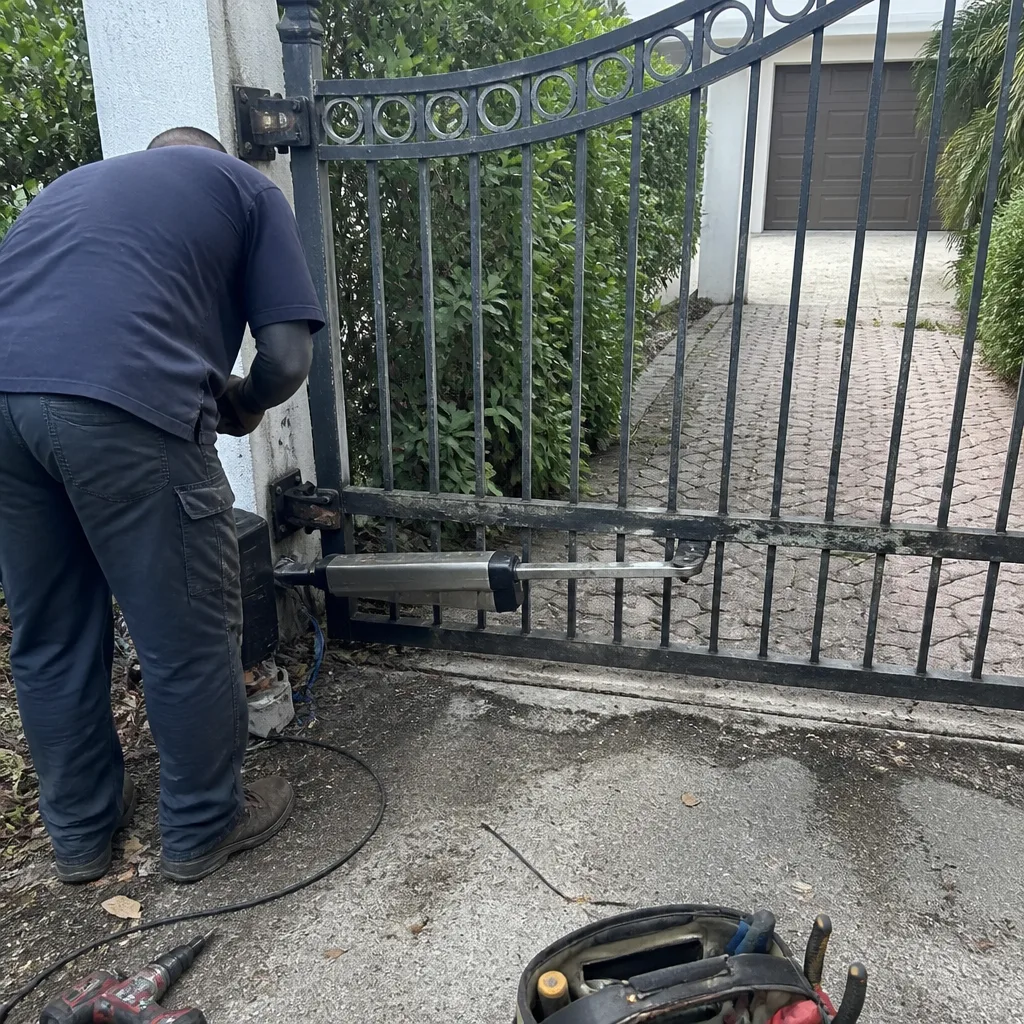 Before
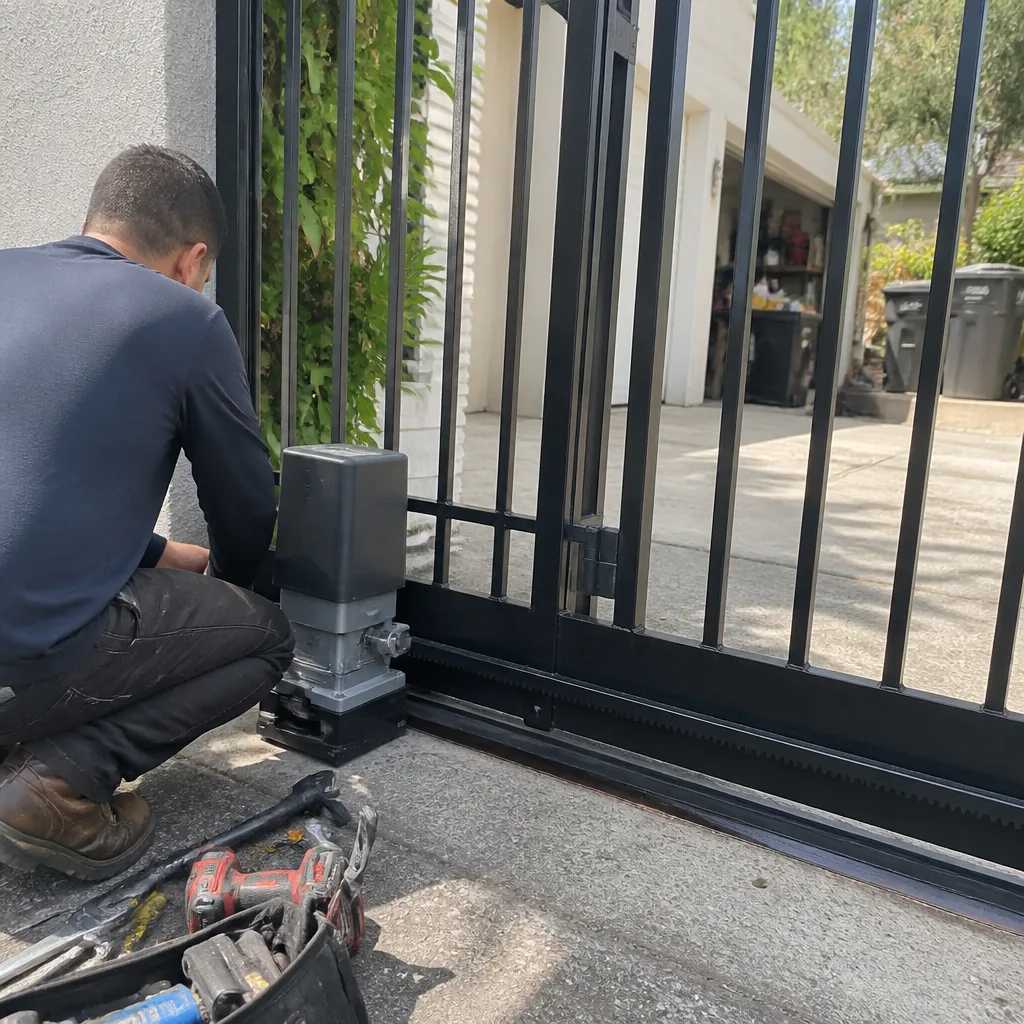 After
After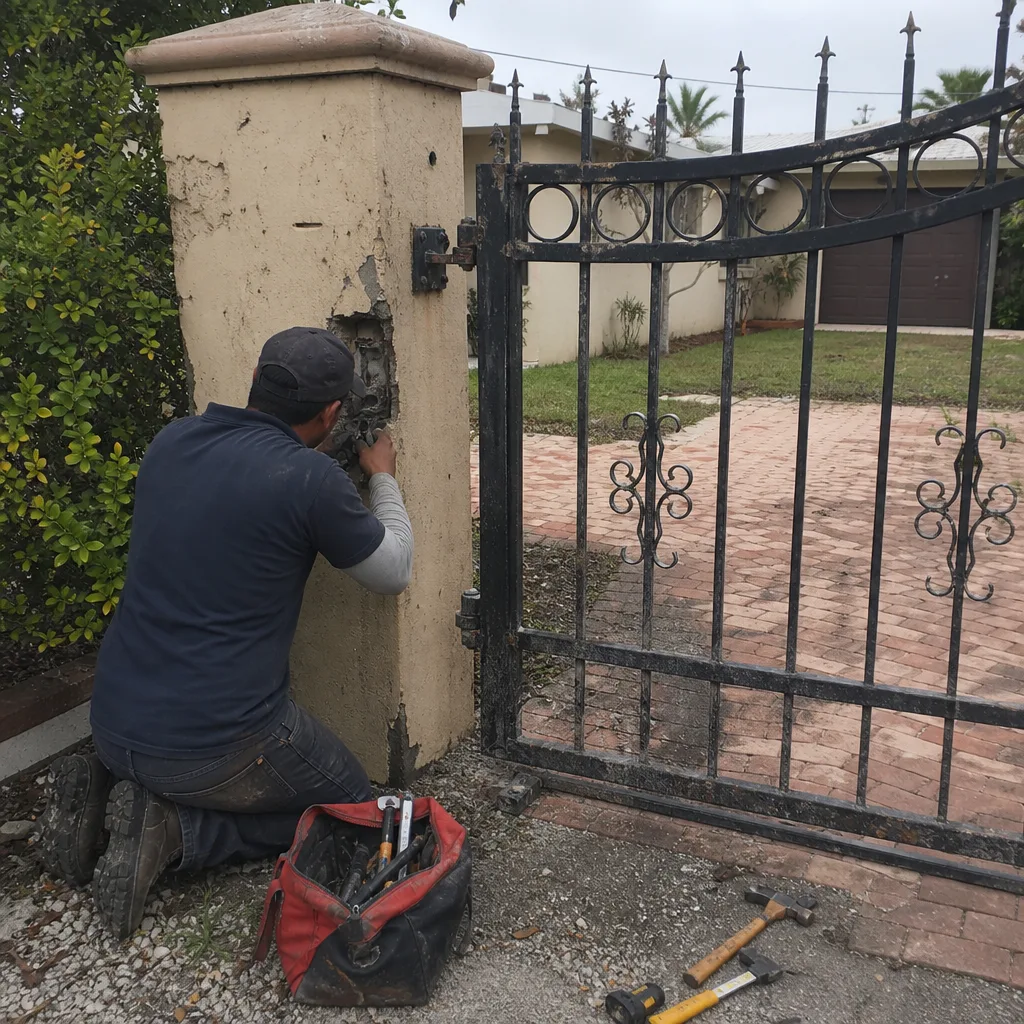 Before
 After
After Before
 After
After